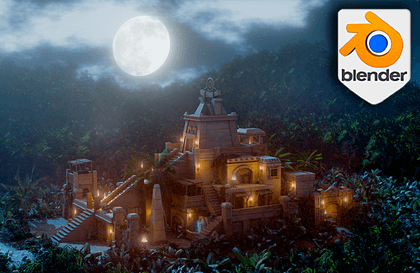
Blender 4: The Modular and Kitbash Environment Guide
3D Tudor
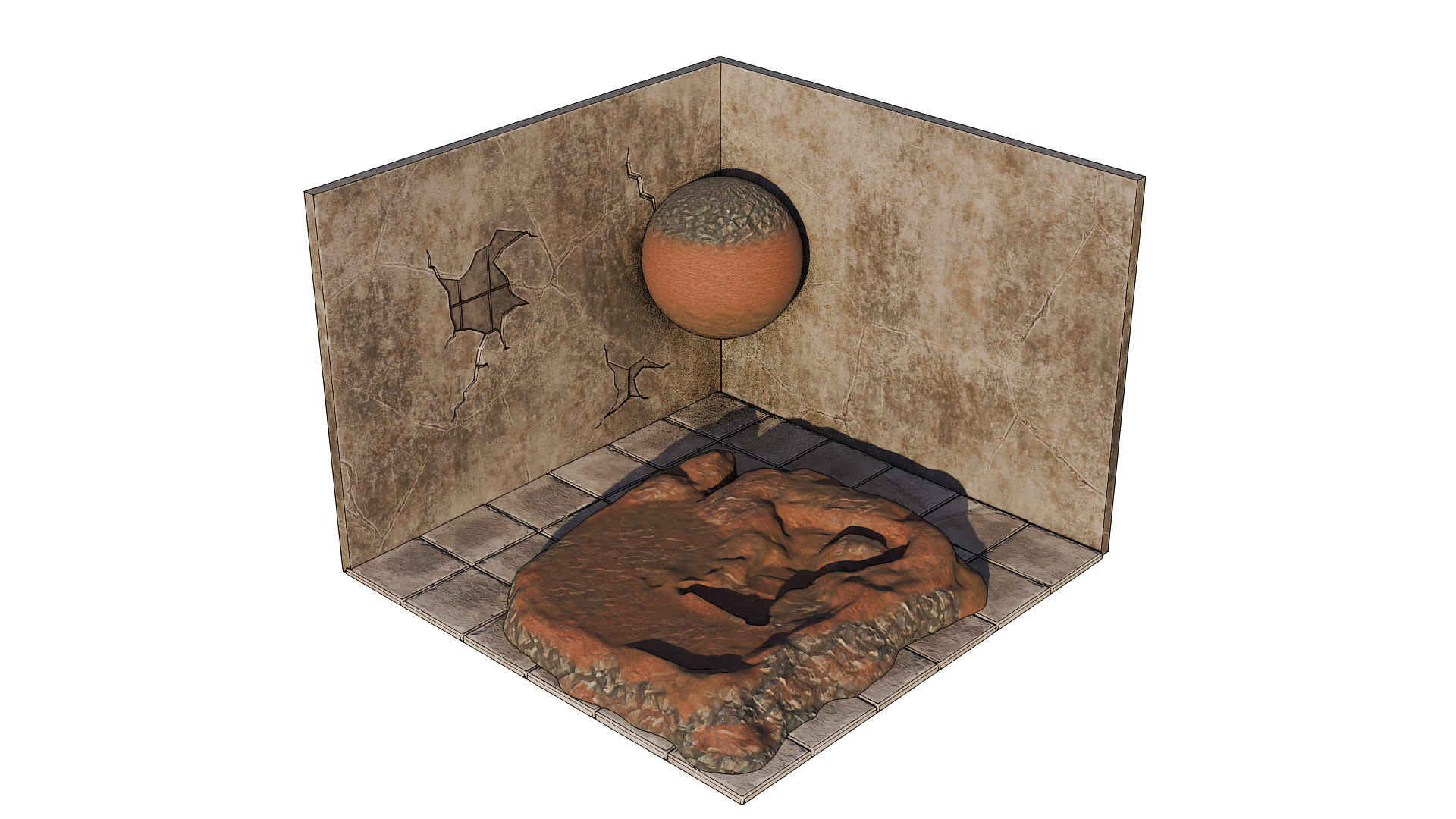
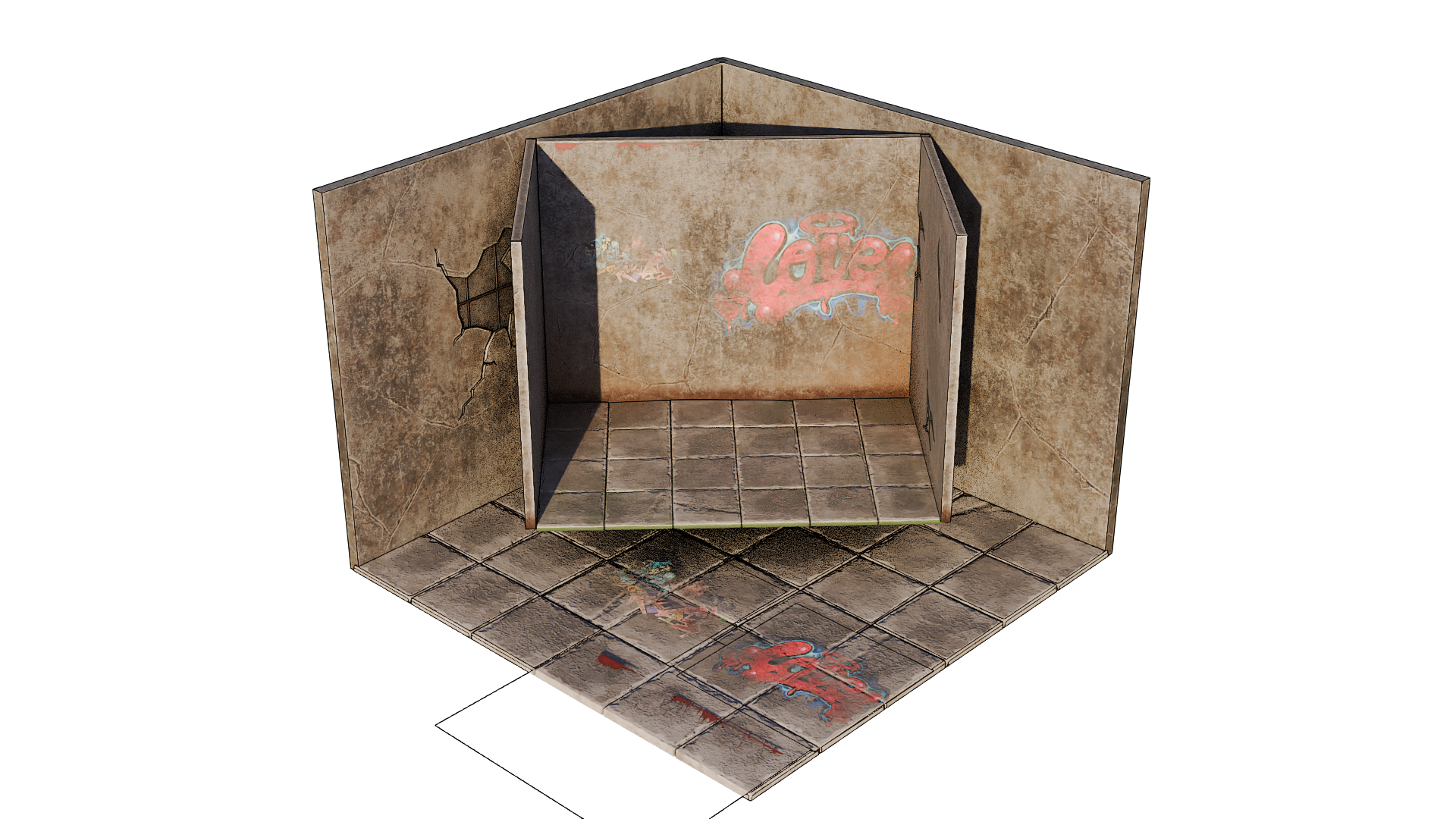
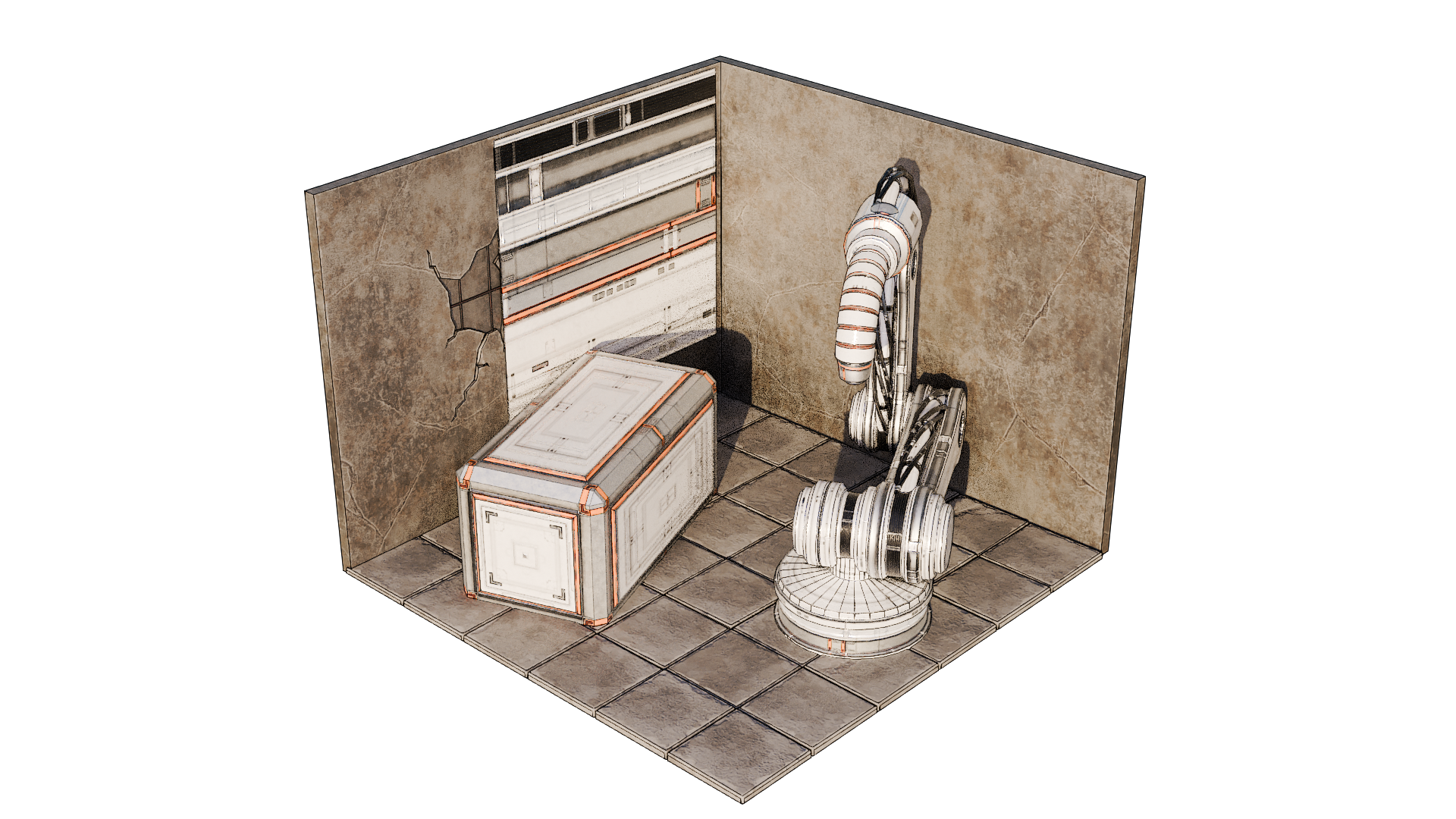
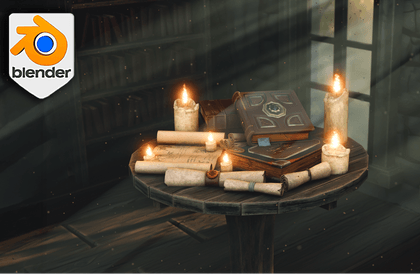
Dive deep into the world of 3D modeling and environment creation with our ambitious course, ‘Blender 4: The Modular and Kitbash Environment Guide’.
입문
Blender, 3d-modelling
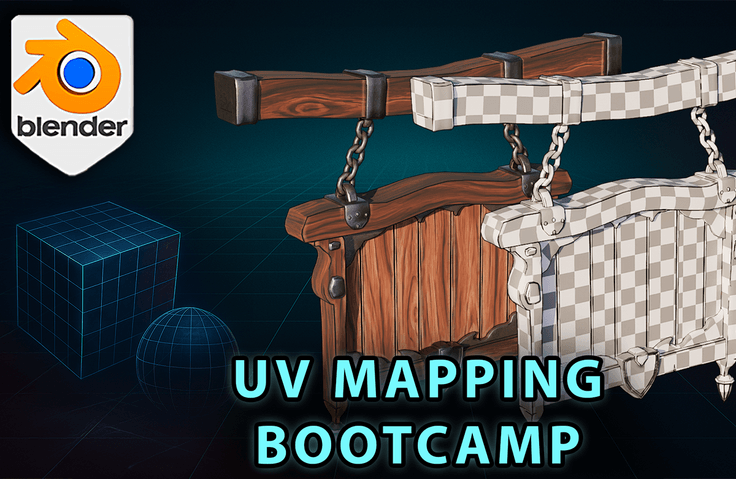
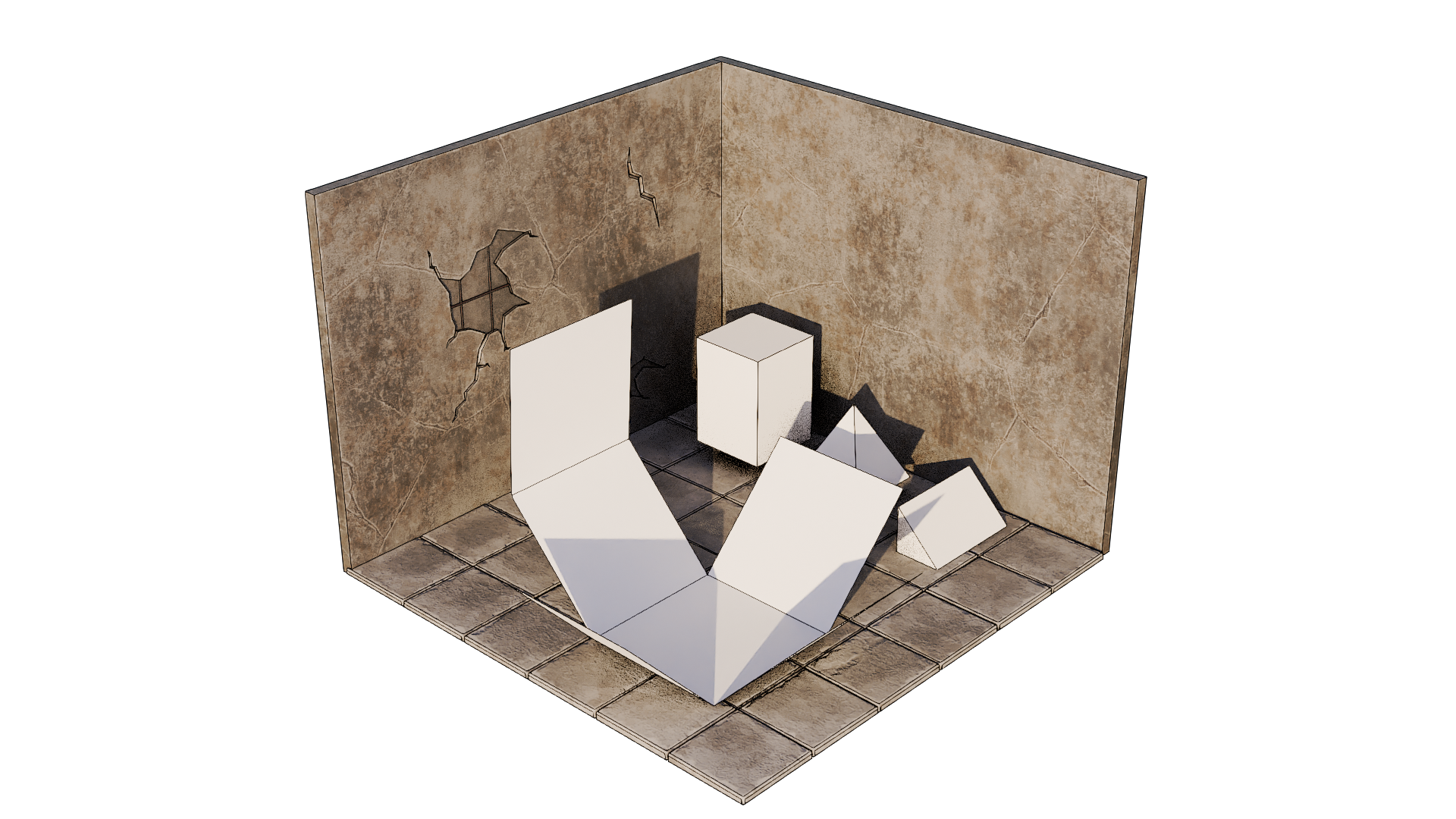
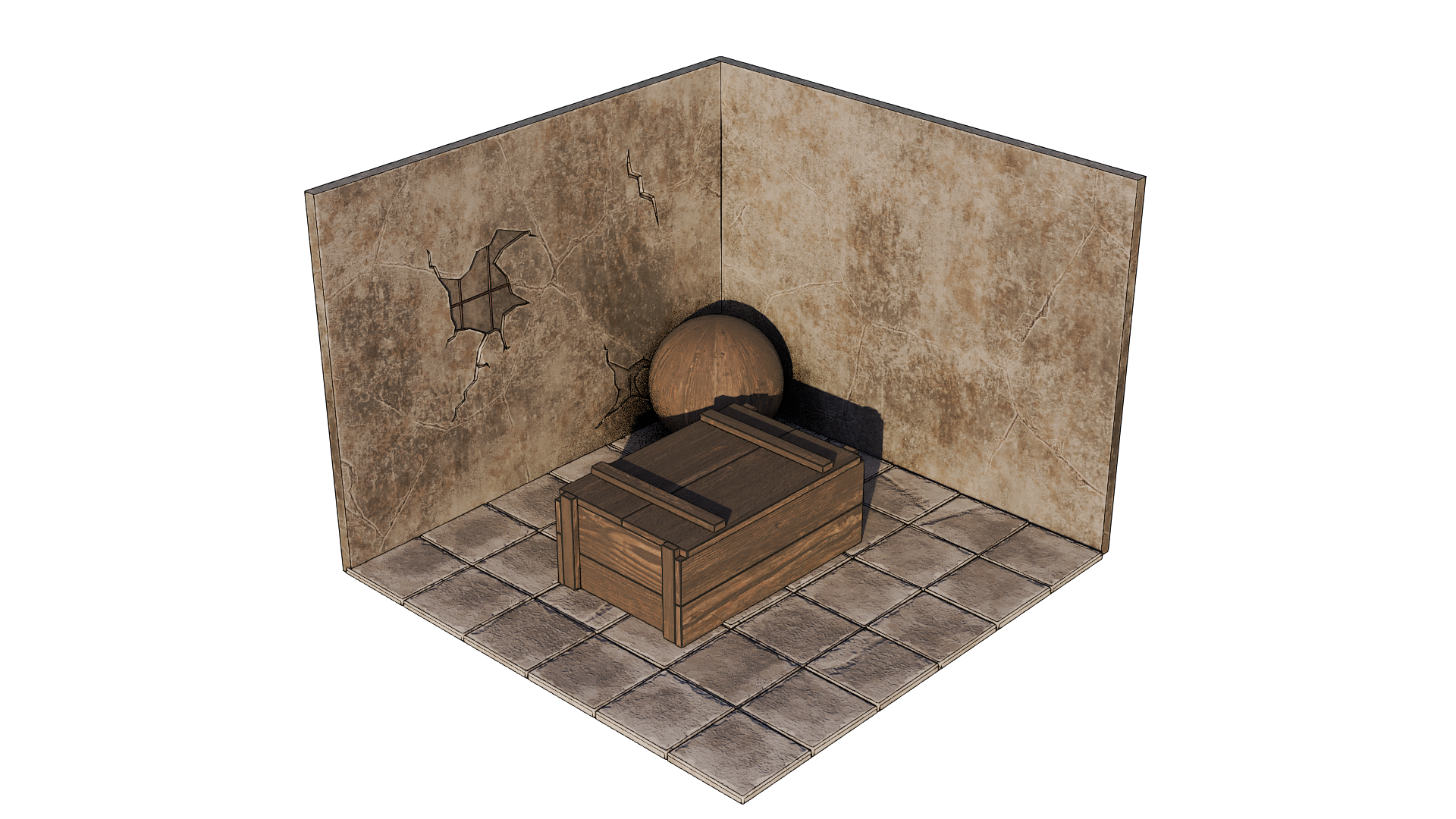
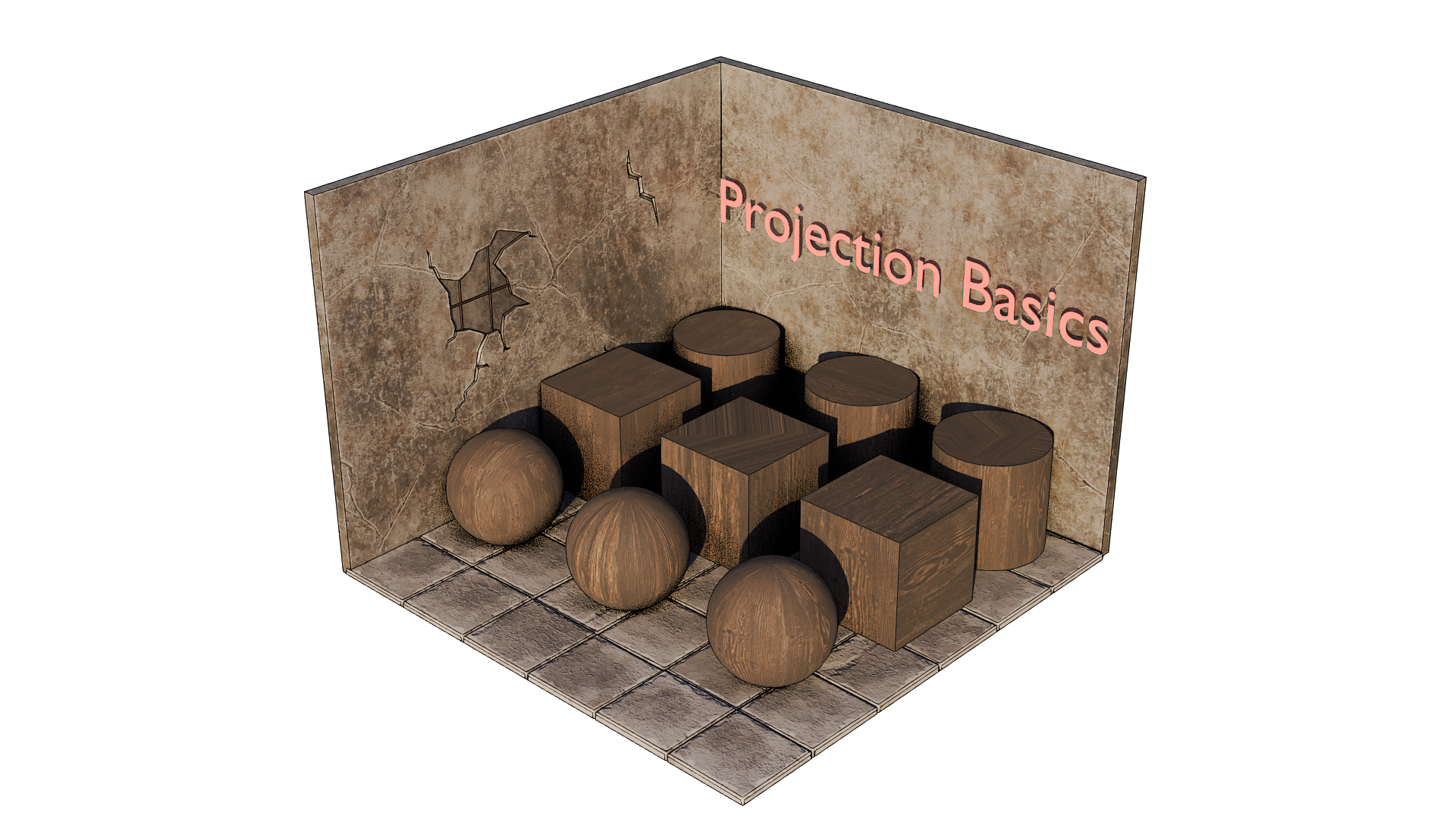
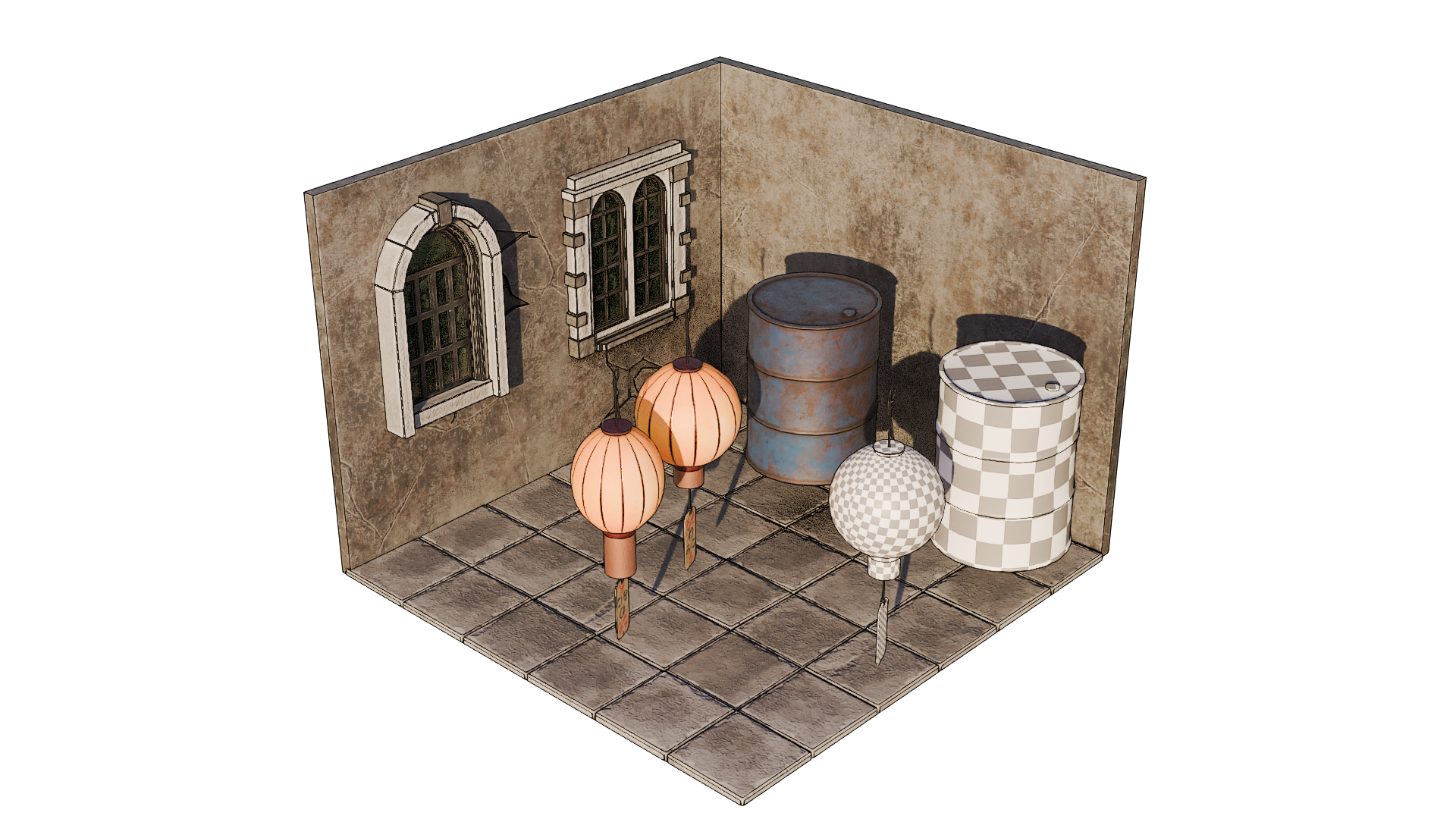
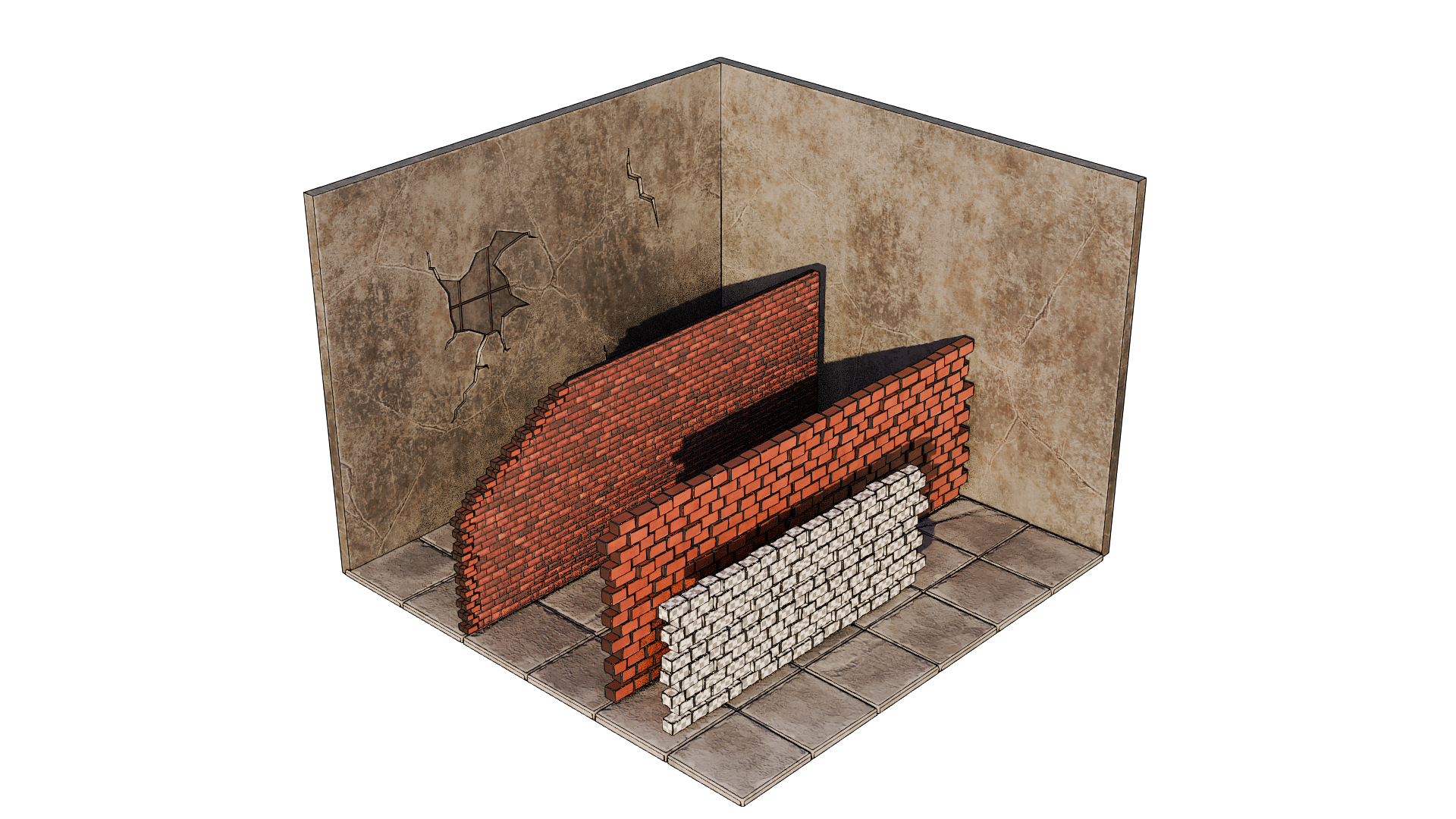
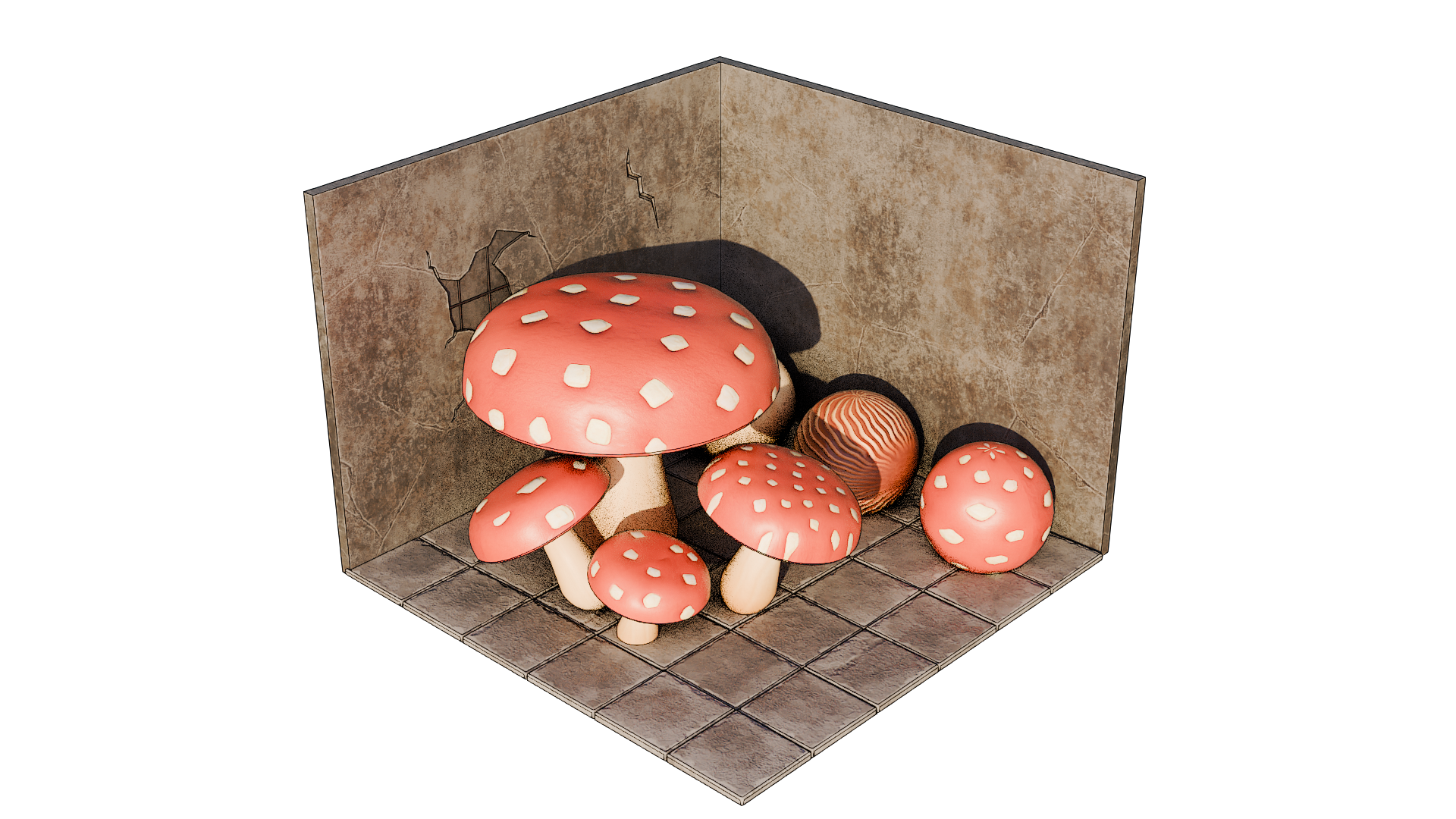
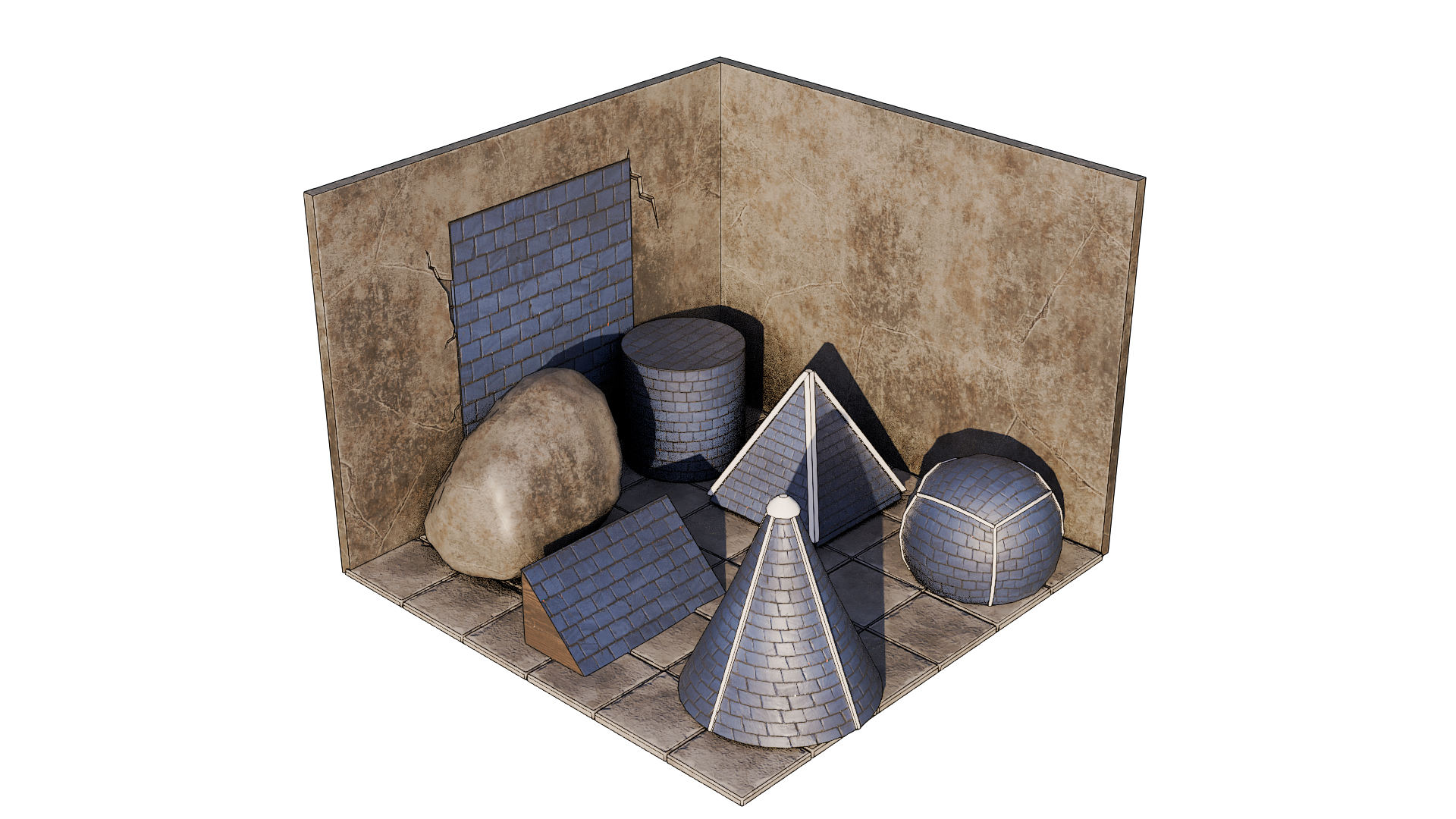
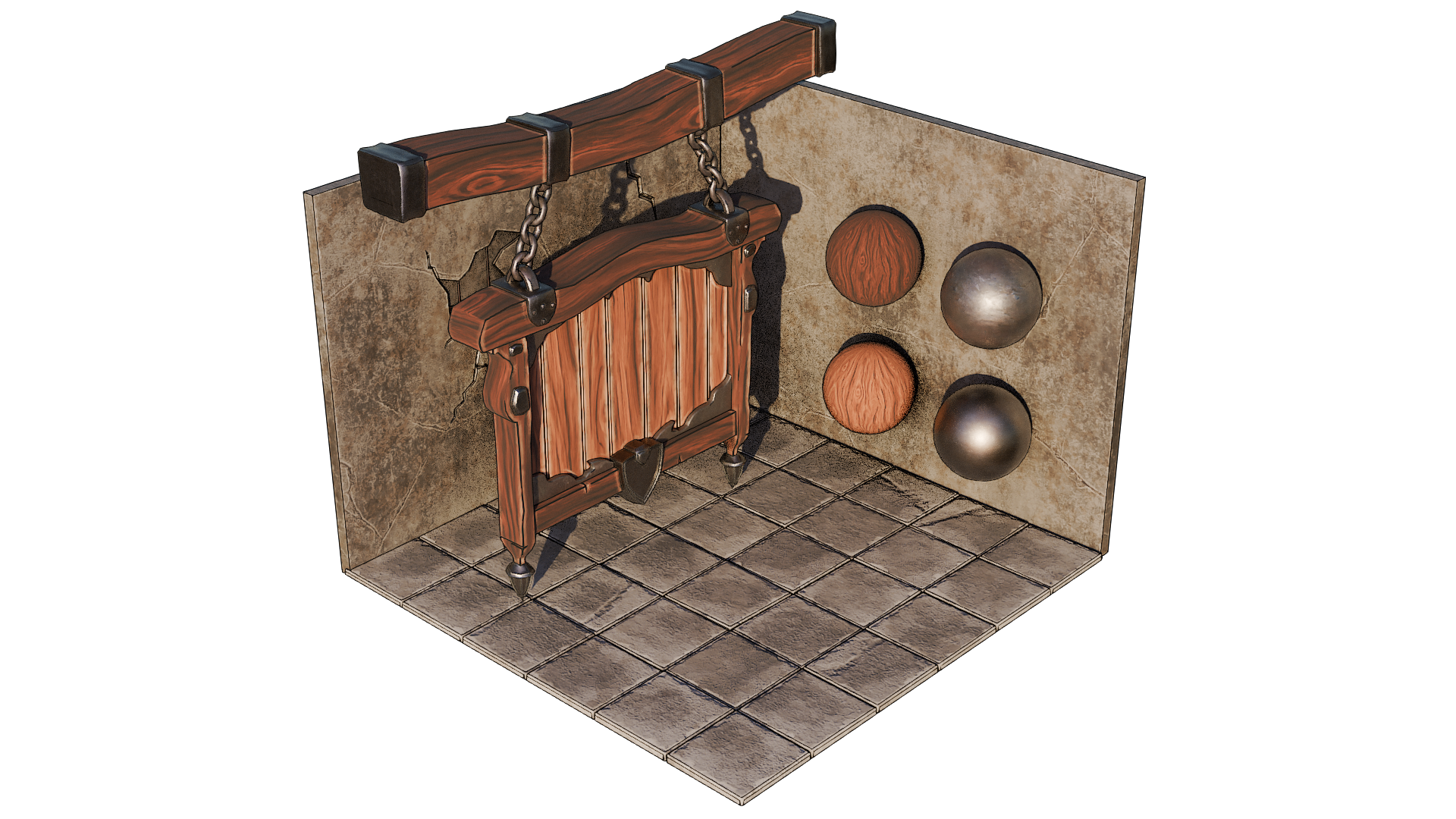
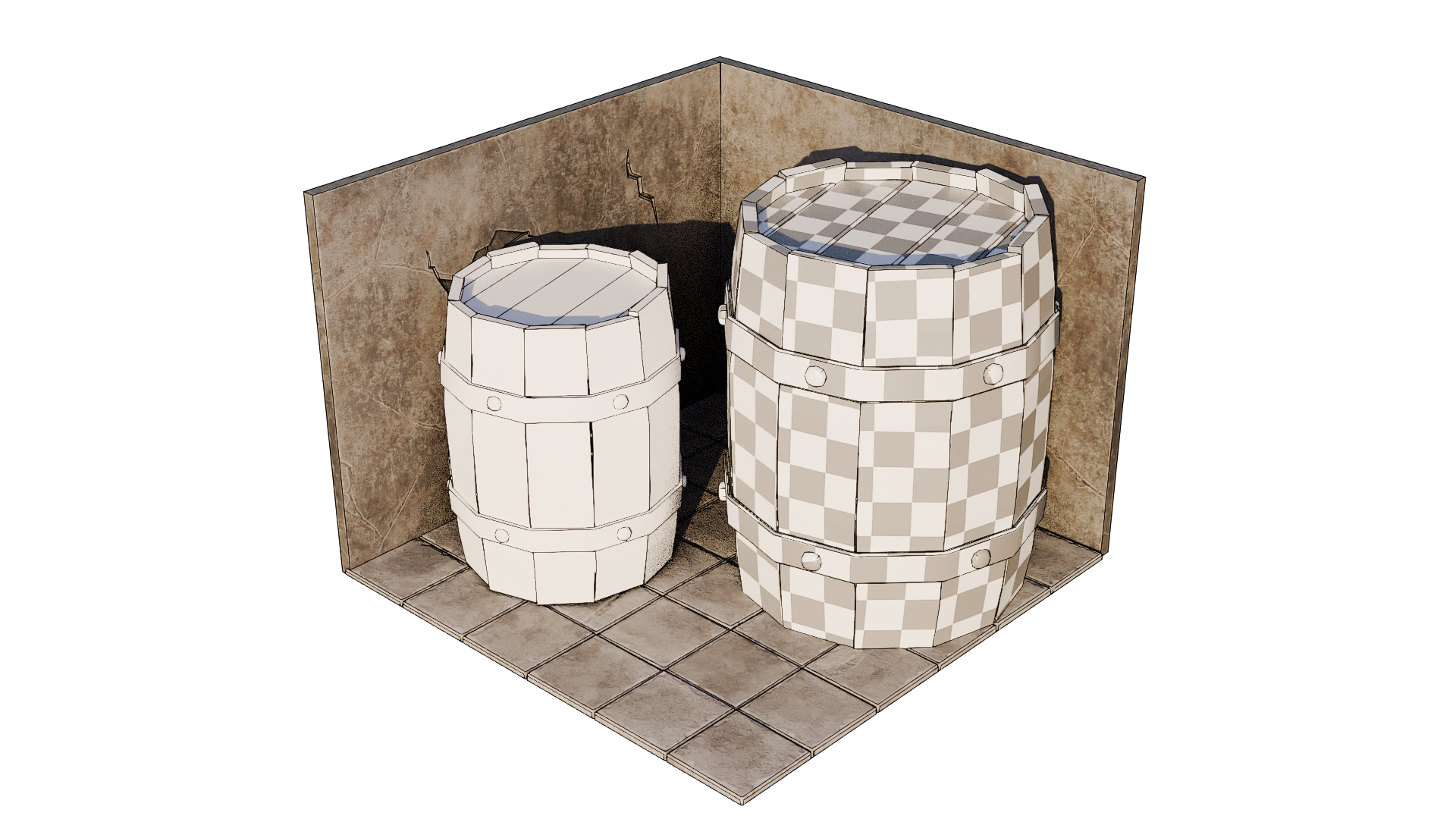
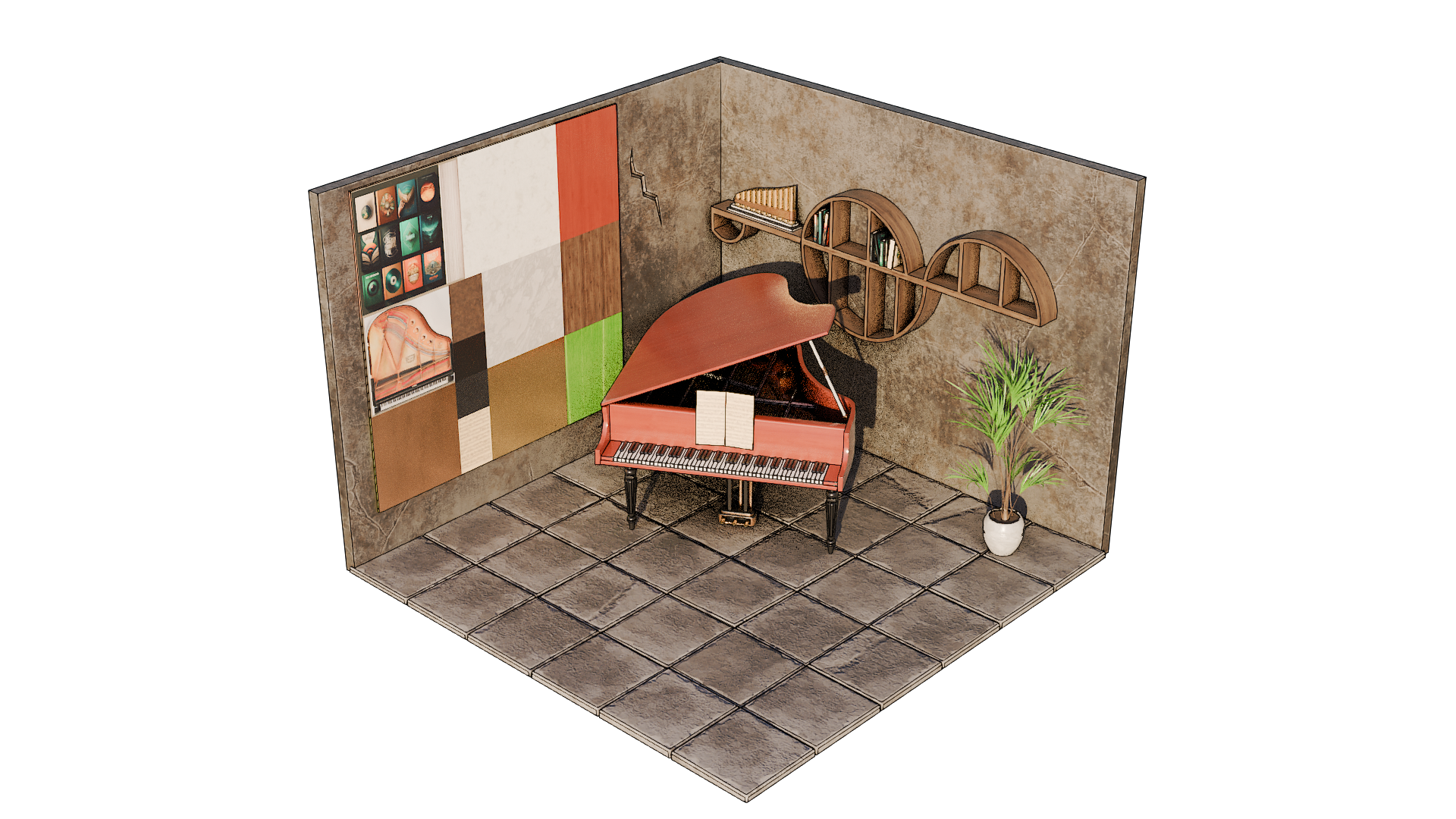
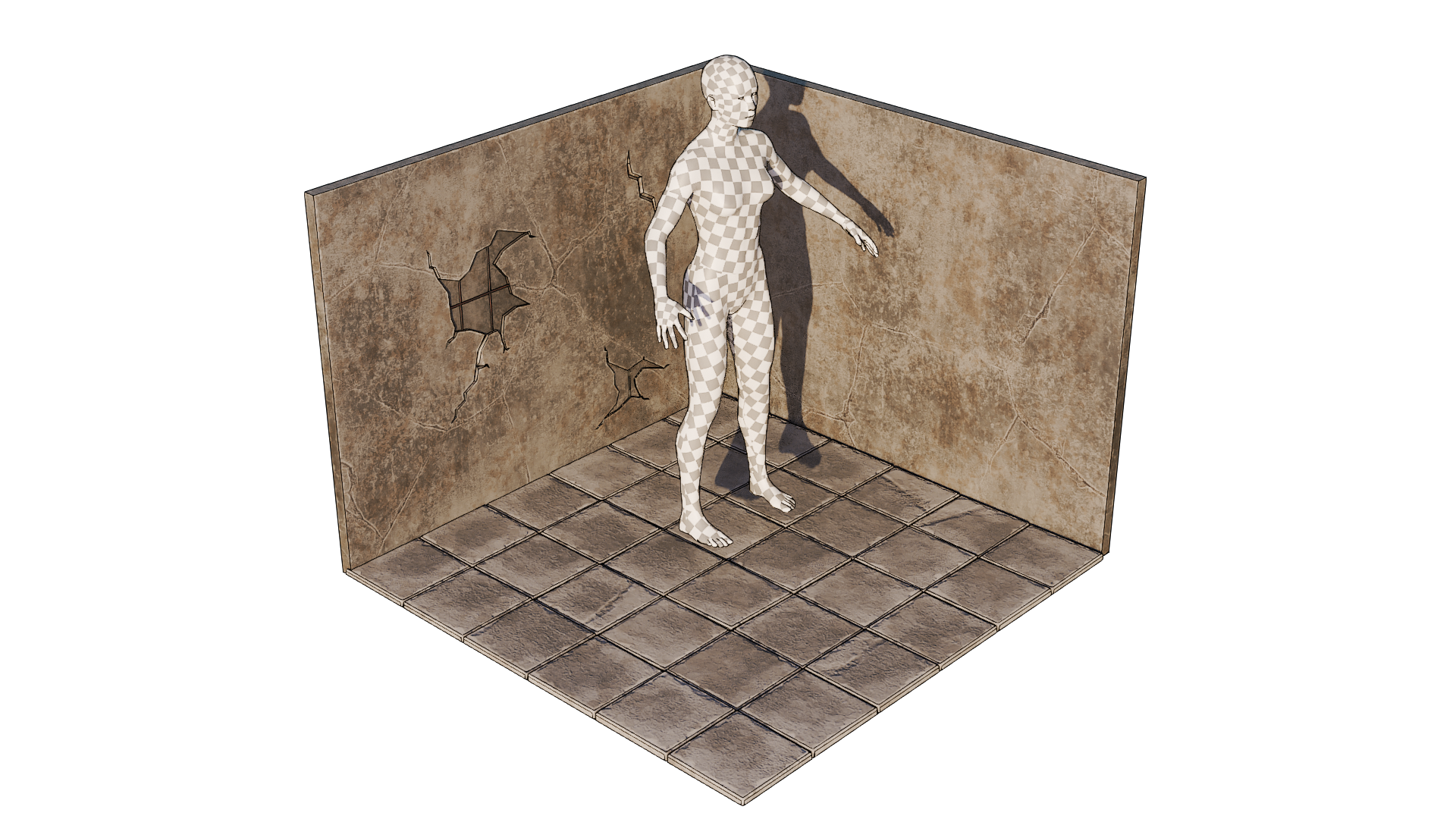
UV Mapping Bootcamp: Master Unwrapping & Texturing in Blender Bad UVs wreck great artwork—master clean, distortion-free unwrapping today! I am Luke from 3D Tudor, and UV Mapping Bootcamp distills fifteen years of texturing pain points into one focused Blender workshop. We will turn stretched checkerboards into crisp atlases, tame texel density, and build trimsheet-ready layouts that export cleanly to Substance, Unreal, and Unity. Stretched textures, popping seams, and checkerboards that slide around like budget origami can make even a gorgeous model look amateur in seconds. I have fought those same misbehaving UVs myself, so let us sort them out together and give your textures the respect they deserve! What You Will Learn The real purpose of UVs and how Blender’s editor organises them Smart UV Project versus seam-driven unwrapping—choose the right tool for the job Cube, cylinder, and sphere projections (and how to combine them) Troubleshooting: flipped normals, hidden overlaps, mip-map bleed, poor packing Consistent texel density across modular scenes, props, and characters Trimsheet workflows for bolts, vents, and sci-fi panels Texture-atlas strategy: pack more detail into fewer materials Human and creature unwrapping—ears, mouth bags, fingers, and toes without stretch Vertex-paint blending, AO masks, and curvature maps that respect your UVs Inside the Course Stage 1 – UV Concepts & BasicsWe start at the beginning—what UVs are, how they work, and why they matter. You will see how 3D surfaces are flattened into 2D space and how Blender’s UV Editor helps you control distortion. We also break down UV axes, the role of checker maps, and the difference between good and bad UVs. Visual tools and real-time examples set the foundation before moving into more hands-on workflows. Stage 2 – Auto UnwrappingHere, we speed through Blender’s Smart UV Project tool. You will learn how it slices geometry based on angles, when to use it for hard-surface models, and where it falls short (like painting or packing). We explore how the tool auto-rotates UV islands and the trade-offs of speed vs. precision. Stage 3 – Projection MethodsLearn how cube, cylinder, and sphere projections behave when applied to different meshes. We test them on primitive and subdivided models, using checker maps to identify which method works best for each shape—and when to mix them. Stage 4 – UV TroubleshootingThis stage focuses on clean geometry and solid workflows. You will learn to apply transforms, fix flipped normals, avoid mipmap bleed, and handle overlapping UVs. We also introduce Blender and Substance tools for visualising distortion, and explore padding’s role in texture clarity across engines. Stage 5 – Volume vs. Surface DensityUnderstand how surface area affects texel density. Through examples like brick walls and terrain planes, you will learn to optimise padding, scale, and UV island layout to get the most resolution without visual compromise. Stage 6 – Organic UnwrappingUnwrapping irregular shapes—like mushrooms and rocks—requires a different mindset. You will mark seams for curved objects, balance seam visibility with material flow, and test UV quality using procedural materials. Perfect for stylised or organic assets. Stage 7 – Custom Shape StrategyWhen textures need directional alignment (like roof tiles), you will learn how to unwrap cones, pyramids, and house shapes to preserve visual consistency. We also cover stylised rock unwrapping, showing how to prioritise density and flow depending on the asset’s purpose. Stage 8 – Directional Noise & FlowThis stage tackles directional textures—like wood grain—and how UVs affect their appearance. Using a stylised sign, we compare directional vs. non-directional materials, introduce the Magic UV and UV Squares add-ons, and show how to control texture flow for better realism. Stage 9 – Beveled Mesh WorkflowBevel modifiers are great visually, but difficult for UVs. We unwrap a stylised barrel before and after applying bevels, showing how early planning and proper seam placement can preserve clean UVs, even on rounded geometry. Stage 10 – 0–1 UV Space & AtlasesHere, we jump into real-time workflows. You will unwrap props like shelves, books, and plants using a single UV space. Learn how to scale islands based on asset importance, align layout to a master atlas, and balance quality with modularity. Stage 11 – Human UnwrappingAnatomical forms need care. You will learn how to unwrap hands, feet, ears, and facial features like the nose and mouth bag. We cover pinning, stretching, and isolating geometry to maintain clean seams and efficient island management for humanoid characters. Stage 12 – Vertex Painting PrepLow-res terrain or large landscape meshes need special treatment. You will unwrap them efficiently and create shaders that let you paint directly on the geometry—great for blending textures without blowing up texel costs. Stage 13 – Procedural Masks & DecalsYou will explore AO, curvature, and gradient masks inside Blender and Substance Painter. We also dive into decals for breaking up repetition and use shaders to blend in extra details where needed—essential for stylised props or terrain. Stage 14 – Trimsheet TechniquesWe end with trimsheets. You will learn to align UVs to trim patterns, bend and mirror them, and use them to quickly decorate stylised props like sci-fi crates. This technique is the crown jewel of UV reuse, giving you complex texture results with minimal overhead. Why This Course Stands Out Expect a zero-fluff blueprint that starts with a cube, scales up to characters, and ends with a production-ready asset. Every pitfall is demonstrated, fixed, and summarised—so the workflow survives version updates and engine changes. When the course ends, you will spend your time designing art, not hunting stretched pixels. Until next time, happy modelling everyone!Luke – 3D Tudor
1 learners are taking this course
Level Beginner
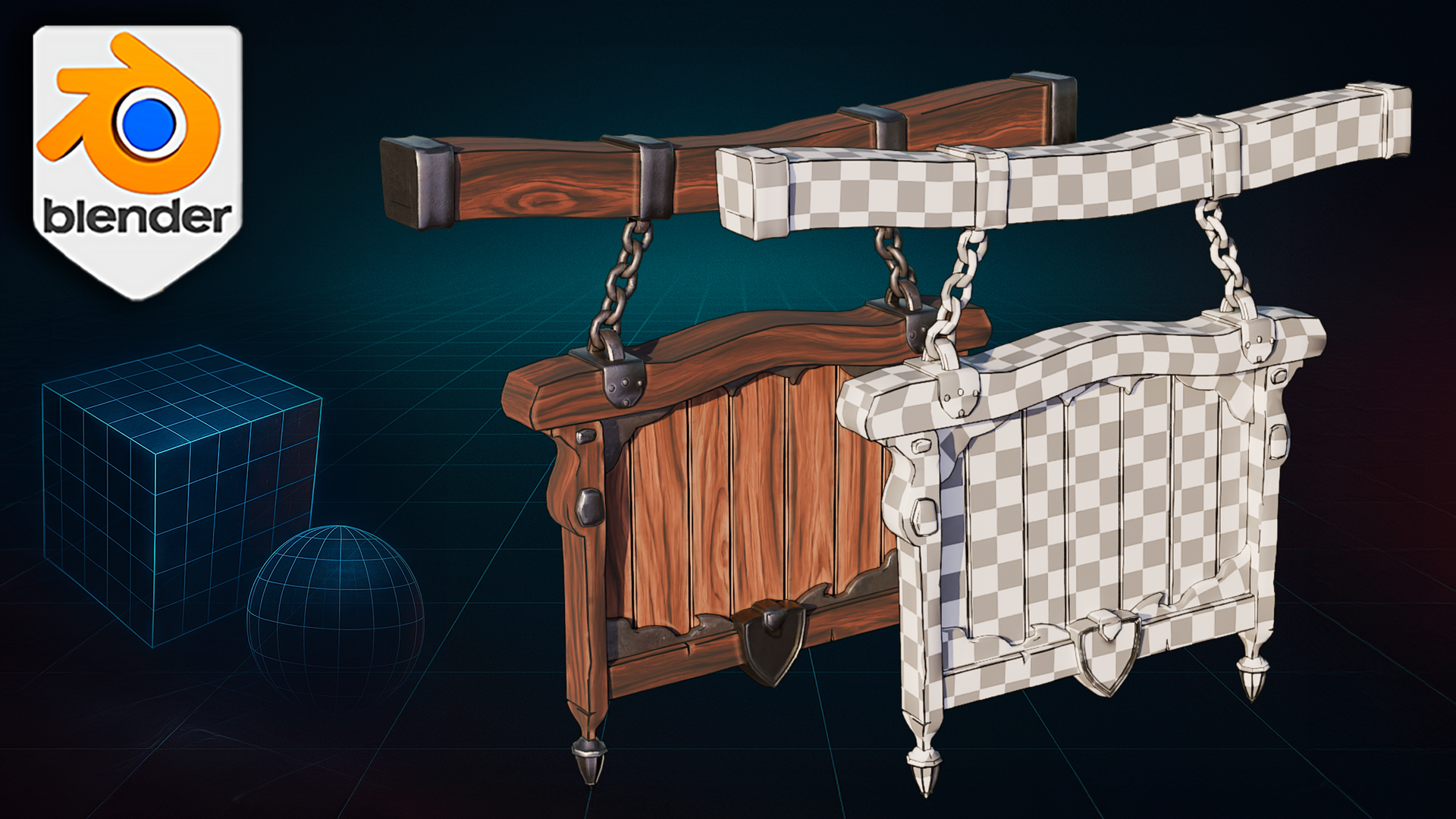
Course period Unlimited
You will understand what UVs actually are (without the jargon). You will be able to explain UV space in simple terms, why every texture needs UV coordinates, and how Blender’s UV Editor is organised so you always know what you are looking at.
You will know which unwrap method to use for the job. Instead of randomly clicking options, you will confidently choose between Smart UV Project (fast) and seam-based unwrapping (clean and controlled), and you will understand the trade-off between speed and quality.
You will use projection unwrapping properly (and stop fighting it). You will learn when cube, cylinder, and sphere projection works best, how to line them up so the texture does not twist, and how to combine projection methods on one model when the shape is more complex.
You will be able to spot UV problems fast and fix them calmly. You will use checker patterns to see stretching immediately, learn how to reduce distortion, and fix the classic beginner issues like flipped parts, hidden overlaps, and UV islands that are rotated or scaled wrong.
You will pack UV islands neatly so textures stay sharp. You will understand padding in a practical way (why it matters), how to avoid blurry edges and “bleeding” in renders and game engines, and how to get a tidy UV layout that does not waste space.
You will keep texel density consistent across props and environments. You will learn how to make a small prop and a large wall share the same texture sharpness, so your scene does not look like one object is HD and the rest is made of mashed potatoes.
You will build trimsheet-ready UV layouts for fast detailing. You will be able to align UVs to trimsheet strips cleanly, reuse details across multiple assets, and create the kind of “high detail, low effort” workflow used in real environment art pipelines.
You will understand texture atlases and how to use them in production. You will learn how to pack multiple props into a single 0–1 UV space, decide what gets more texture space (hero assets vs background), and reduce material count without sacrificing quality.
You will unwrap organic and humanoid shapes without the usual pain. You will learn a clear seam strategy for hands, feet, ears, and facial areas like the mouth bag, plus beginner-friendly tools like pinning and isolating parts so you can reduce stretching without making a mess.
You will export clean UVs for Substance Painter, Unreal, and Unity. You will know how to prepare UVs so they bake and paint properly, avoid common export surprises, and move assets between Blender and other tools with confidence.
You will make UVs behave properly with masks, vertex paint, and procedural texturing. You will learn how UV layout affects AO, curvature, gradients, and blending, so your shaders and paint layers follow the model correctly instead of sliding around or looking inconsistent.
Who is this course right for?
Beginner 3D Artists: You may rely on automatic unwrapping now, but you want to understand why UVs work and how to control them.
Intermediate Modellers: You can model props and environments, yet you need cleaner seams, smarter packing, and texture flow.
Stylised Texture Enthusiasts: You love painterly detail and procedural effects, and you need UVs that respect wood grain, rust streaks, and custom masks.
Need to know before starting?
No prior UV-mapping experience required—this class starts from first principles
3D Tudor is a small and very active 3D training studio. Over the past few years 3D Tudor has taught more than a quarter of a million students how to build environments, props, and game worlds using Blender and Unreal Engine 5.
Coming from a Computer Games Art background, Neil I. Bettison, 3D Tudor's lead instructor, prefers clear, production-minded lessons that stay close to real projects and avoid unnecessary jargon.
Through 3D Tudor he and his team release complete courses, asset packs, and regular free tutorials, all aimed at making modern 3D workflows feel practical, achievable, and a bit more fun for beginners and working artists alike.
3D Tudor는 규모는 작지만 매우 활발하게 활동하고 있는 3D 교육 스튜디오입니다. 지난 몇 년 동안 Blender와 Unreal Engine 5를 활용해 환경, 프롭, 게임 세계를 만드는 방법을 25만 명 이상의 수강생들에게 공유해왔습니다.
컴퓨터 게임 아트 배경을 가진 3D Tudor의 수석 강사 Neil I. Bettison은 실제 프로젝트에 기반한 실용적인 수업을 선호하며, 불필요한 전문 용어를 최대한 배제한 명확한 설명 방식으로 특히 널리 알려져 있습니다.
3D Tudor는 완성도 높은 강의와 에셋 팩, 그리고 정기적인 무료 튜토리얼을 제공하고 있으며, 이를 통해 현대적인 3D 워크플로우를 초보자부터 실무 아티스트까지 누구나 실용적이고 따라 할 수 있으며 더욱 즐겁게 느낄 수 있도록 돕고 있습니다.
강사 더 알아보기
All
59 lectures ∙ (11hr 26min)
Course Materials:
$22.00
Check out other courses by the instructor!
Explore other courses in the same field!