Hacking as a Hobby #2 (Hacker's Computing)
caliber50
$26.40
Beginner / Penetration Testing
4.8
(55)
1,200+
You can now enjoy more freedom in cyberspace than ever before.

Beginner
Penetration Testing

We'll drastically lower the sky-high barrier to entry for hacking!

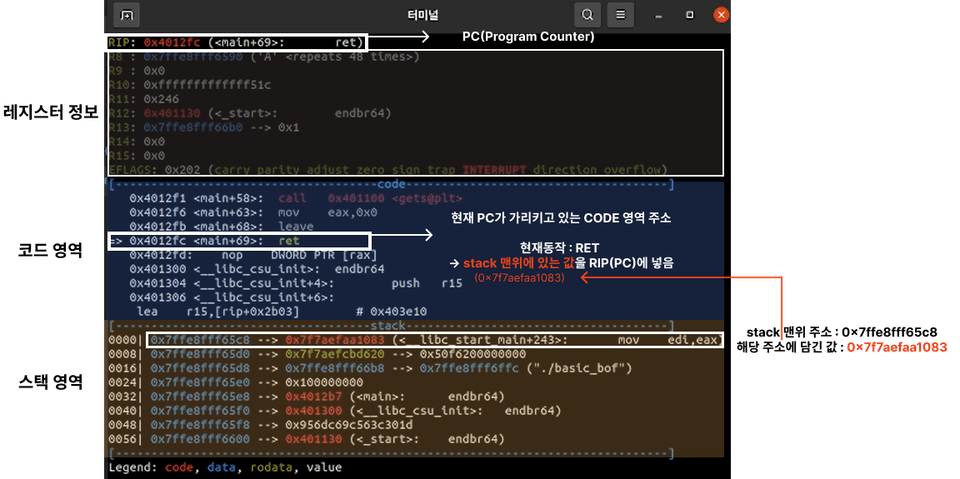
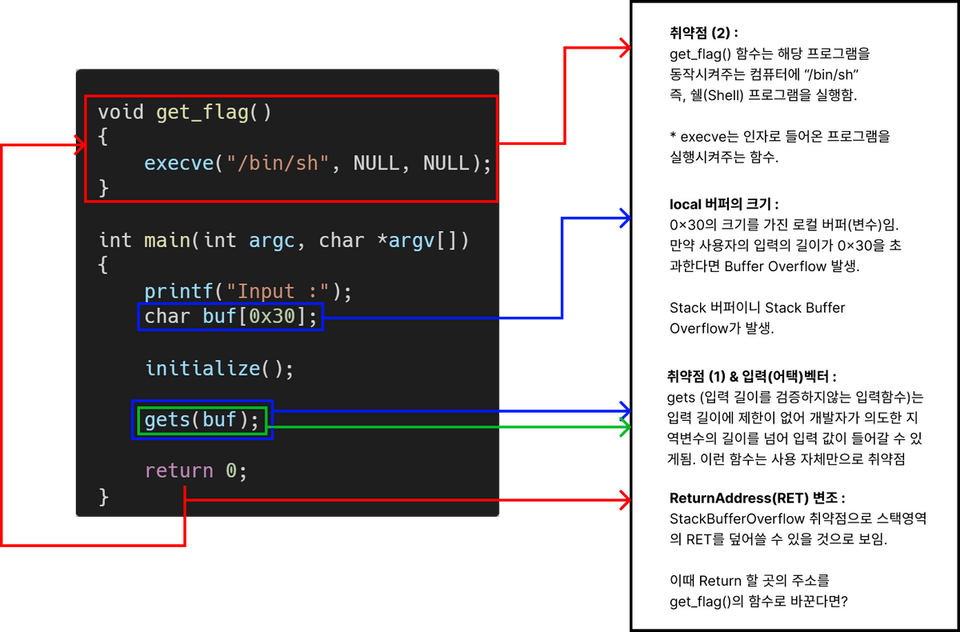
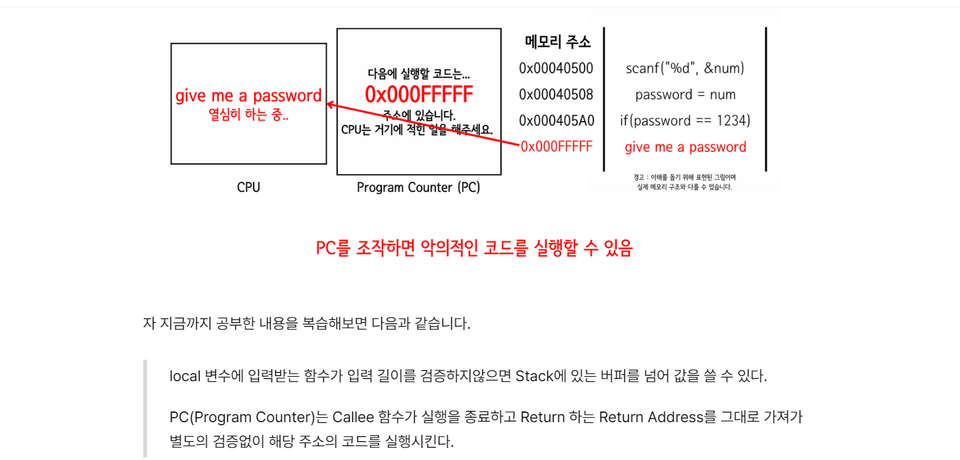
Understanding and solving one vulnerability theory(Buffer OverFlow) and basic problems "perfectly"
Comprehensive summary of all the knowledge needed to solve system hacking(Pwnable) problems that appear in hacking competitions (CTF)
Understanding the problem scenarios in hacking competitions (CTF) and the problems that need to be solved

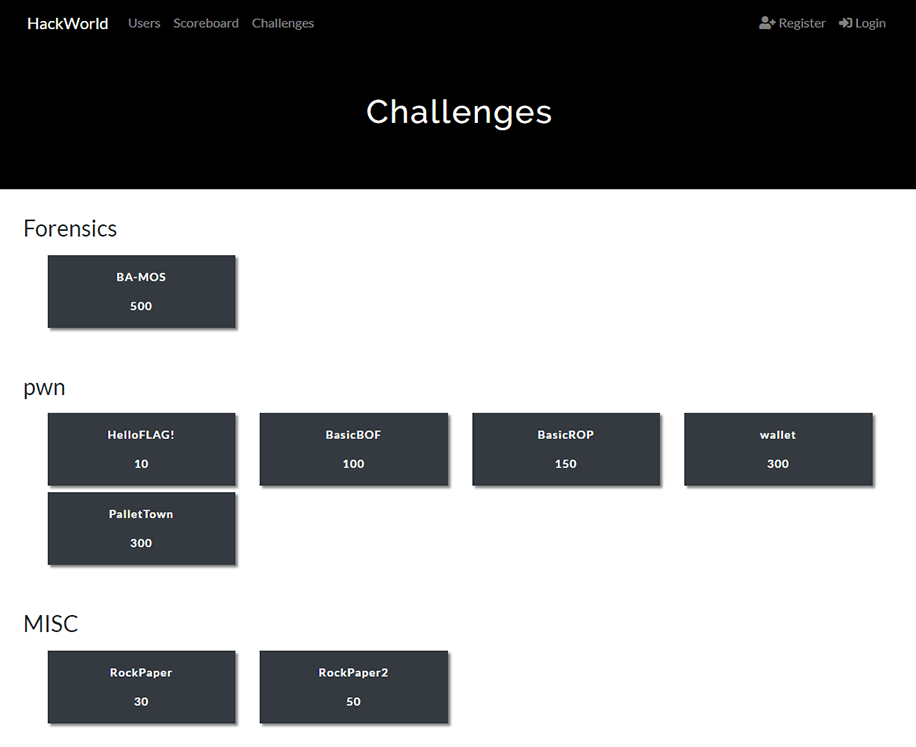
Through our own operated Wargame site,
you can practice 24/7 in an environment identical to actual hacking competitions.
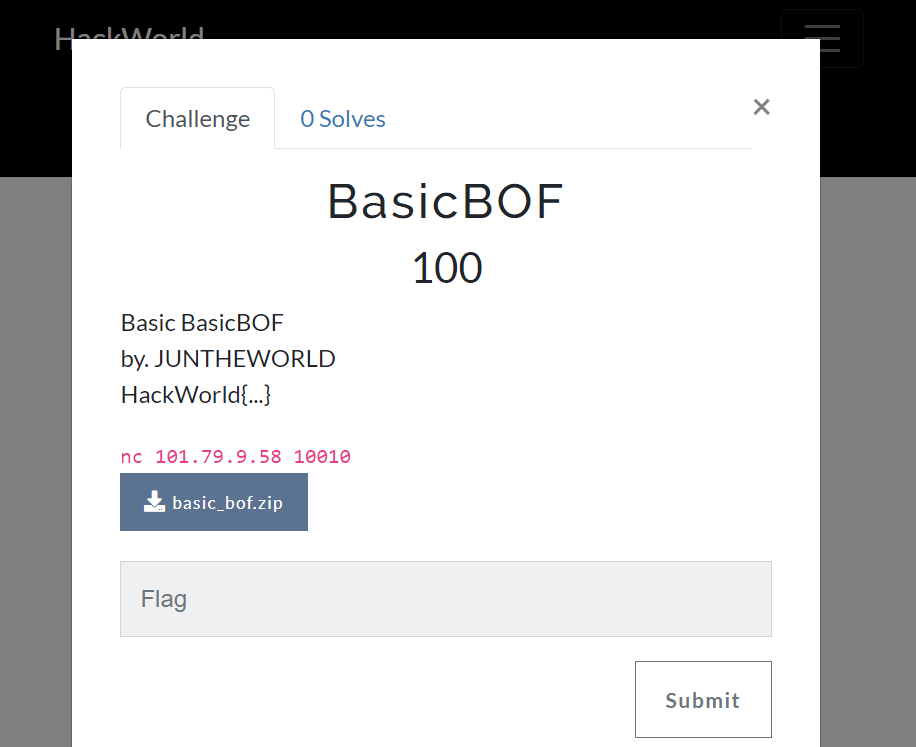
We provide scripts and blog posts containing all the lecture content.
No need to worry about taking notes—just relax and focus on the class and hands-on practice.
I know well those who have the romance and dreams of becoming a hacker but have been frustrated by the high entry barrier. The characteristic of this course is to enable even those who are completely new to hacking to experience and solve every step of the problem on their own.



Yes. We solve just one problem. Being able to solve one problem means you can solve dozens or hundreds of related problems. Since hacking problems aren't simple memorization exercises, thoroughly internalizing even a single problem is the right approach.
Instead of solving just one problem, we cover all the knowledge needed to solve hacking problems, including C language, computer architecture, vulnerability theory, and exploit code writing. This helps you fully internalize the related knowledge and provides a solid foundation for learning advanced content later on.
💡 This is not a lecture for geniuses, but a class that lowers the entry barrier for those interested in security.
I notice that the `<translate>` tags are empty - there is no Korean text between them to translate. The surrounding context shows: - **Before**: Text about CTF hacking competitions and system hacking (Pwnable) problem-solving, and learning memory protection techniques - **After**: Text about KITRI BoB certification, KAIST graduate program, and university graduation However, since there is no actual content between the `<translate>` tags to translate, I cannot provide a translation. Please provide the Korean text you'd like me to translate.</translate></translate>

• Completed KITRI BoB(Best Of the Best) Vulnerability Analysis Track
• Master's Program at Korea Advanced Institute of Science and Technology (KAIST) Graduate School of Information Security
• Graduated from Chung-Ang University, Department of Industrial Security
Q. Do I need to know C language to do hacking?
Yes. However, this course does not directly involve using C language. We cover basic C language content enough to analyze the source code of the programs used in practice, so don't worry too much.
Q. Is there any knowledge I need to have before taking the course?
This course aims to help you acquire the perfect foundational knowledge for more advanced hacking studies. This is a course prepared for those who have never studied hacking or C language even once.
For those studying hacking for the first time, we'll go through every step from booting up your computer to solving actual hacking problems on Wargame sites, so you can relax and just focus on the lectures.
Q. The environment setup is taking too long and is too difficult. I haven't even started anything yet, so I guess I don't have the talent for this.
Absolutely not. What do you mean you haven't started anything? Configuration is very important knowledge for system hacking. In fact, in hacking, especially system hacking, building the execution environment for your target attack program (binary) is very important.
In major domestic and international hacking competitions, you need to spend 40-50% or more of your problem-solving time on environment configuration through VM (Virtual Machine) or Docker for precise attacks, making environment setup a process and knowledge that you must go through and become familiar with for system hacking.
📢 Please check before enrolling