


Python, just for fun
gyul
$26.40
Beginner / Python
4.8
(12)
The world's friendliest Python course for those new to programming!
Beginner
Python
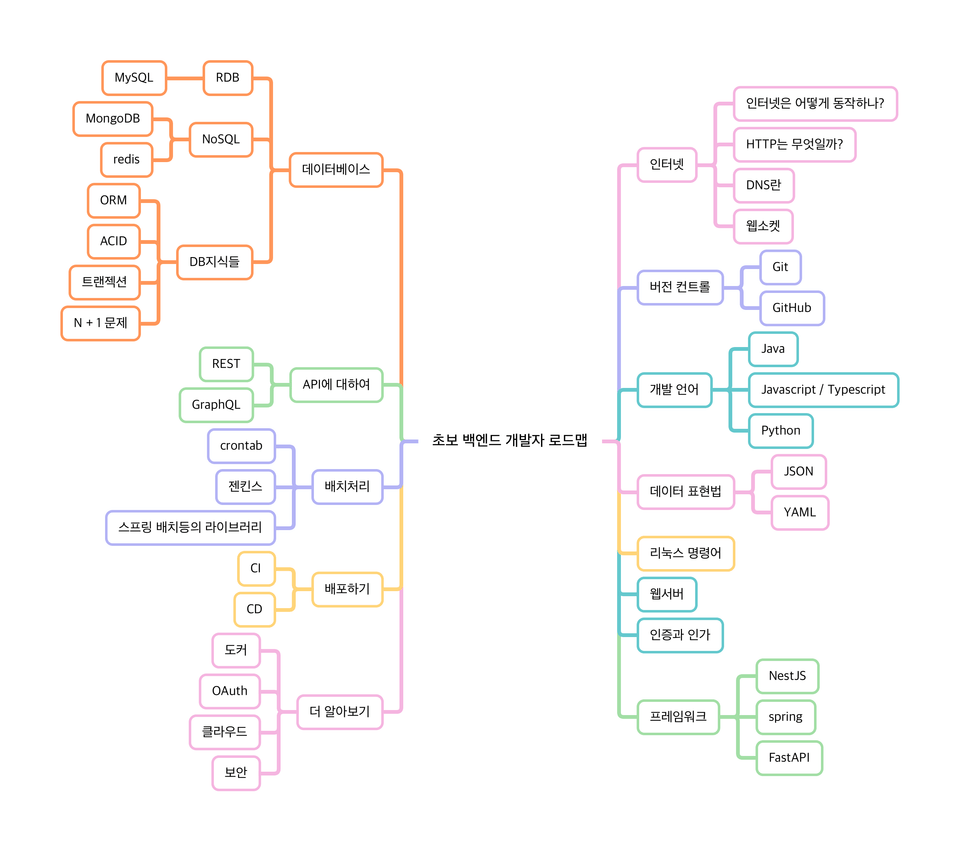
This introduces the basic knowledge that backend developers need to know, such as web, CI/CD, API design, DB, and batch processing.

Reviews from Early Learners
5.0
김소진
I liked how you explained the vast amount of knowledge concisely. As someone who wants to become a backend developer and is heading into the new world, I was very ignorant and had a lot of things I didn't know, but I liked how you explained the backend developer roadmap so well. Thank you.
5.0
초명(Daniel Y)
Even though it's almost the first year, I was able to re-establish the knowledge I already knew. It would have been nice if I had seen it before. It's a shame that I'm seeing it now.
5.0
장기채널화이팅
It's no joke. After learning everything, I listened to it and it made me understand what was being said, and it gave me a sense of what I should study in the future to gain the knowledge I lacked or the knowledge I wanted. Recommended
Backend development knowledge
HTTP
CI/CD
How to write an API
Data representation method
Linux commands
Database
Batch processing
Version Control
If you don't know what to study first for back-end development?
A back-end development roadmap summarizing the core essentials ⭐️
Purchase Link
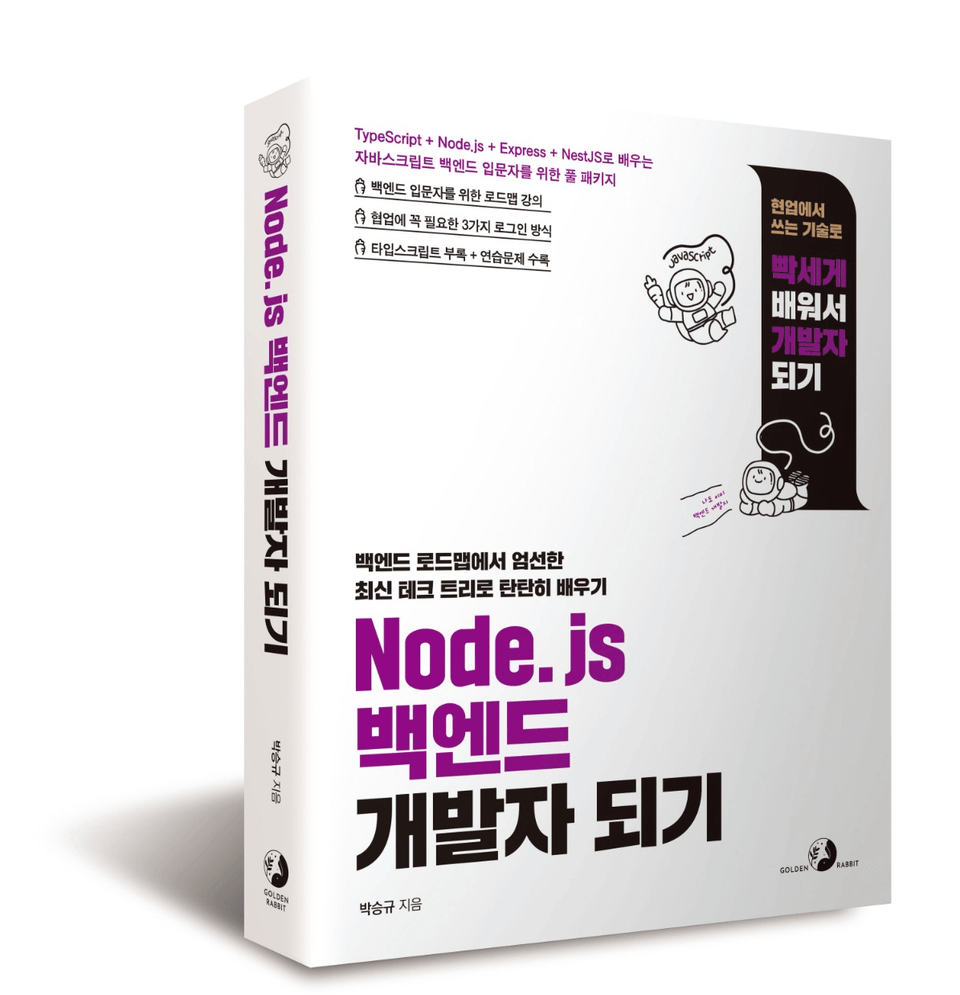
yes24 http://www.yes24.com/Product/Goods/118379776
Kyobo https://product.kyobobook.co.kr/detail/S000201457949
Aladin https://www.aladin.co.kr/shop/wproduct.aspx?ItemId=314774905
Have you ever thought, "Why is there so much for a developer to study?
I wish someone would organize everything needed to become a developer..."?
Of course, if you visit roadmap.sh/backend, there is a roadmap written for backend developers, but there is so much content that it is not easy to use as a reference.
Based on my over a decade of experience and advice from others, I have organized the [Beginner Backend Developer Roadmap] as follows.
💡 It covers various topics necessary for backend development, such as the Internet, version control, programming languages, data representation, Linux commands, web servers, authentication and authorization, frameworks, databases, APIs, batch processing, and deployment. Since there is too much to cover each topic in depth, I will introduce each area and explain how to study them. Here is a preview of the content from a few chapters.
The internet is a massive network that allows computers around the world to exchange information with each other. On the internet, data is exchanged via TCP/IP, and an IP address is required as a destination for sending and receiving data. Since IP addresses are difficult for humans to memorize, they are often converted into easy-to-remember addresses in English, Korean, or other languages. This is known as DNS.
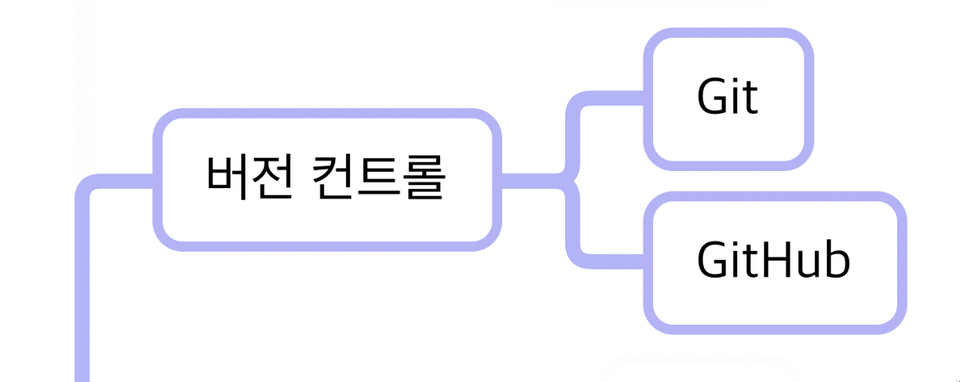
Version control literally allows you to manage versions of source code and is also used when collaborating with others. There are various version control systems, but you only need to learn git. GitHub is a hosting system that allows you to use git on the web. You can use pull requests to request code changes from the repository's author.
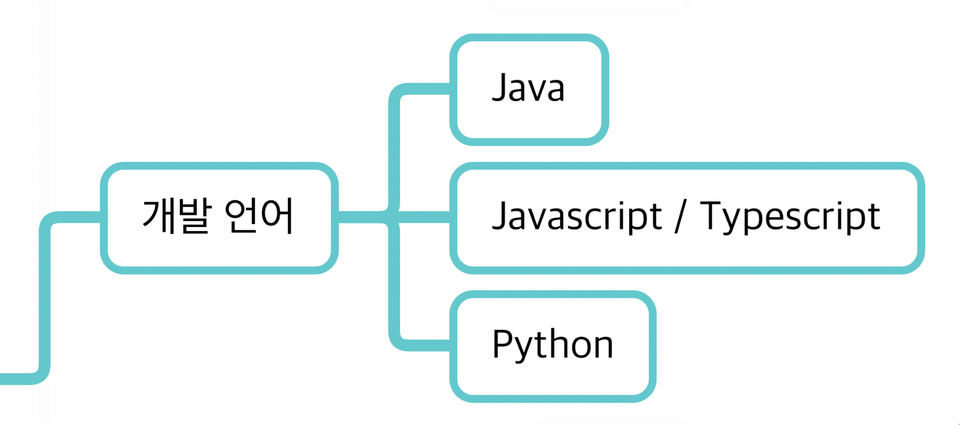
In Korea, the representative backend development languages are Java, JavaScript, and Python. You just need to master one of these three languages.
Java is a statically typed language characterized by verbose boilerplate code, but it is recognized for its stability due to its long-standing use in the industry and is used by all top-tier Korean companies, often referred to as "Na-Ka-Ra-Ku-Bae." JavaScript utilizes the Node.js runtime, and in most cases, TypeScript is used for type checking. Python is a language used in many places due to its easy-to-learn syntax and versatility. It is a good language to learn even if you are not focusing on backend development.
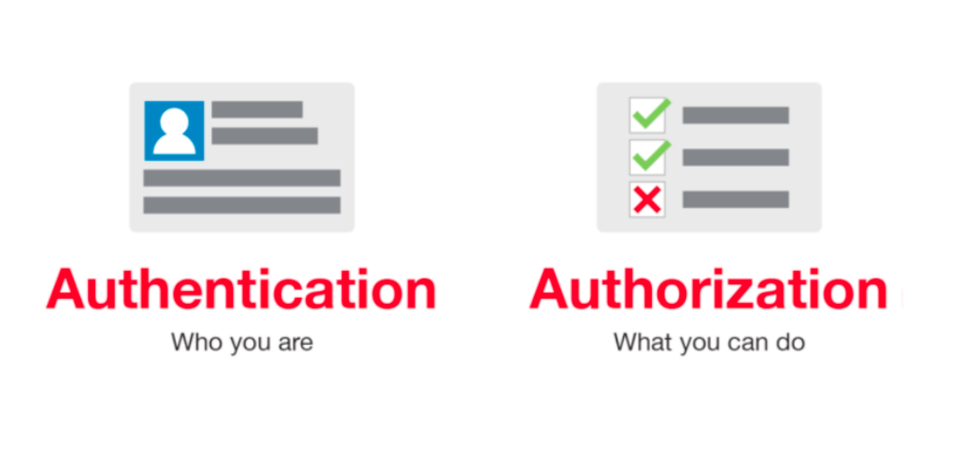
Both Authentication and Authorization start with "Auth." Many beginner developers use these terms without clearly understanding the difference, but it is necessary to distinguish between them accurately.
Authentication is the process of verifying a user's identity. In other words, it is confirming "who you are." If you fail this, you are denied entry. Authorization happens after authentication and involves checking "what your level of permission is." Guests, VIPs, and administrators will each have different permissions. Authorization is what differentiates these levels.
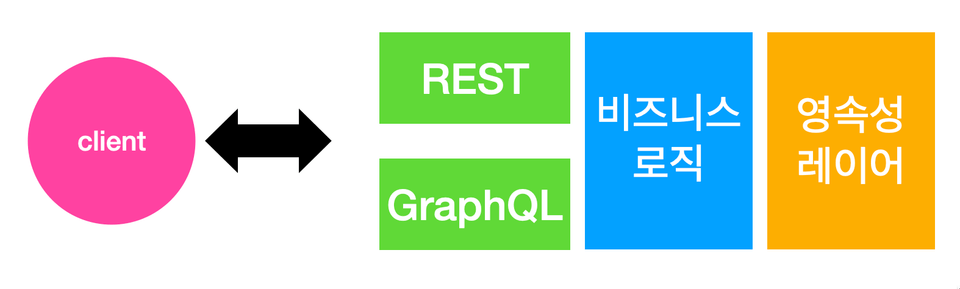
The way APIs are written will likely not deviate from REST and GraphQL. There is also gRPC, but it is used in fewer places. In most cases, you will end up using either the REST or GraphQL approach. As of now, since GraphQL has not reached a stage of complete maturity, both are being used.
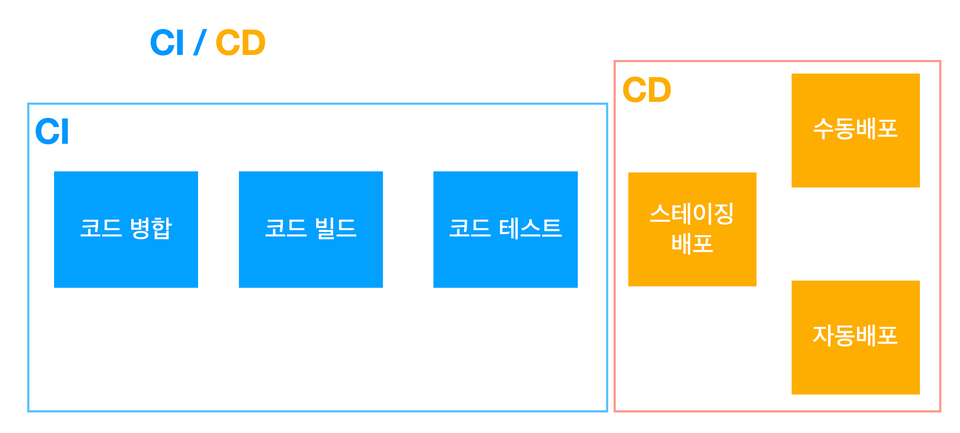
CI/CD, much like authentication and authorization, has words like "Continuous" attached to the front. CI stands for Continuous Integration, and CD stands for Continuous Deployment. Even though these are translated into Korean, it's hard to understand what they actually mean.
That's because CI refers to "automating" everything from the moment the code is written until right before deployment. Replacing the word "continuous" with "automated" wouldn't feel out of place at all. CD refers to "automating" the deployment itself.
We deliver concepts that beginner backend developers must know, such as data representation, Linux commands, frameworks, and batch processing, in an easy-to-understand way. 😊
Who is this course right for?
Those who are curious about what backend development is
Those who are worried about what to study to become a backend developer
5,434
Learners
252
Reviews
3
Answers
4.9
Rating
3
Courses
Hello! I'm Seung-gyul, a developer with 1x years of experience.
I have experience in infrastructure management, platform development, web and game server development, operations tool development, and CRM system development,
and I am currently developing applications using AI models at Kakao Entertainment.
I majored in statistics, but during my freshman year, I boldly took a C programming course intended for computer science majors on my own. That experience is what led me to become a developer.
I majored in statistics, but during my freshman year, I boldly took a C programming course intended for computer science majors on my own.
That experience is what led me to become a developer.
I had to complete an assignment to create a game without knowing anything,
but after wrestling with a thick textbook for three weeks, I saw a finished product emerge.
I felt so proud that even now, after over 10 years of developing, I still maintain that same bold mindset that I can somehow figure it out whenever I face something difficult or challenging.
The era of struggling to learn programming as I did has passed, but I believe there are still those who perceive it as something vaguely difficult and intimidating. Therefore, I want to share my experience and teach it as simply as possible.
I want to show many people that programming is not just difficult, but rewarding and fun.
All
14 lectures ∙ (1hr 7min)
2. Internet and HTTP
06:42
3. Version Control
06:56
6. Linux Commands
09:16
7. Web server
02:20
9. Framework
04:36
10. Database
06:15
11. About API
04:32
12. Batch processing
05:01
13. Deploy
03:44
14. Learn more
03:44
All
102 reviews
4.8
102 reviews
Reviews 23
∙
Average Rating 5.0
5
It helps me move from not knowing what I don't know to knowing what I don't know^^ From the perspective of a beginner backend developer, it was a great help to summarize the seemingly overwhelming variety of related fields into keywords at the roadmap level. I'm so grateful that this lecture is free^^
Thank you for the detailed course review~ I hope it was helpful~
Reviews 1
∙
Average Rating 4.0
Reviews 1
∙
Average Rating 5.0
Reviews 27
∙
Average Rating 4.9
Reviews 2
∙
Average Rating 5.0
Check out other courses by the instructor!
Explore other courses in the same field!
Free