


인프런 워밍업 클럽 스터디 4기 - CS 전공지식 2주차 발자국


강의와 함께한 인프런 워밍업 클럽 스터디 4기 - CS 전공지식 (자료구조, 알고리즘, 컴퓨터구조)
2주차 발자국 입니다.
학습 내용 요약
그림으로 쉽게 배우는 자료구조와 알고리즘 (심화편)
이번 주에는 균형 이진 탐색 트리의 대표 주자인 Red-Black 트리의 삽입·삭제 개념과 실제 구현을 다뤘습니다.
개념(삽입/제거) 단계에서 색상 규칙과 회전을 통해 균형을 유지하는 원리를 학습했고
보조 함수(색 변경, 회전 함수), 삽입 로직, 삭제 로직을 차례로 완성하며, 각 단계마다 균형 인자가 올바르게 갱신되는지 확인했습니다.
이어 우선순위 큐와 힙을 학습했습니다.
힙(Heap) 의 개념과 완전 이진 트리 구조를 이해하고, 힙 삽입, 힙 제거 과정을 직접 구현해 보았습니다.
이를 기반으로 미션에서 CpuScheduler 를 만들어, 실행 횟수 우선 & I/O 바운드 우선 정책을 Heap 비교 함수를 수정해 적용했으며
마지막으로 힙 정렬(Heapsort) 알고리즘까지 학습했습니다.
만들면서 쉽게 배우는 컴퓨터 구조
지난주 불 대수·진리표·Logisim 기초를 다진 뒤, 이번 주에는
MUX: 1비트 2입력부터 8비트 16입력까지 다양한 MUX 설계
디코더: 3비트·4비트 디코더 설계
컨트롤 버퍼(Buffer) 이해
ALU: 반 가산기·전 가산기·ALU 제작
메모리: SR/D/JK 래치, 플립플롭, 레지스터, RAM 구현
까지 확장하며, 각 모듈을 직접 구현하고 테스트하며 신호 흐름을 검증했습니다.
미션
🎯 미션1. 자료구조와 알고리즘 미션: CPU 스케줄링
목표
프로세스의 executionCount(실행 횟수)와 cpuReturnCount(I/O 바운드 횟수)로 우선순위를 매기는 스케줄러 구현
실행 횟수(executionCount)가 가장 작은 프로세스가 우선순위가 높다.
실행 횟수가 같을 경우, I/O Bound 프로세스(cpuReturnCount가 큰 프로세스) 가 우선순위가 높다.
구현 개요
자료구조: 완전 이진 트리 기반의
Heap활용비교 함수 재정의
// CpuScheduler 생성자 내부
this.heap.isBigPriority = (first, second) => {
  if (first.executionCount !== second.executionCount) {
    // 실행 횟수가 적은 프로세스가 우선
    return first.executionCount < second.executionCount;
  }
  // 실행 횟수가 같다면 I/O Bound 정도(cpuReturnCount)가 큰 쪽이 우선
  return first.cpuReturnCount > second.cpuReturnCount;
};
CpuScheduler 클래스
import { Heap } from "../../heap/heap.mjs";

class Process {
  constructor(name, cpuReturnCount, executionCount) {
    this.name = name;
    this.cpuReturnCount = cpuReturnCount;
    this.executionCount = executionCount;
  }
}

class CpuScheduler {
  constructor() {
    this.heap = new Heap();
    this.heap.isBigPriority = (first, second) => {
      if (first.executionCount !== second.executionCount) {
        return first.executionCount < second.executionCount;
      }
      return first.cpuReturnCount > second.cpuReturnCount;
    };
  }

  enqueue(process) {
    this.heap.insert(process);
  }

  dequeue() {
    const node = this.heap.remove();
    return node ? node.getData() : null;
  }
}

let cpuScheduler = new CpuScheduler();
cpuScheduler.enqueue(new Process("수치계산프로그램", 4, 0)); // cpu반납 4회, 실행횟수 0회
cpuScheduler.enqueue(new Process("뮤직플레이어", 11, 10)); // cpu반납 11회, 실행횟수 10회
cpuScheduler.enqueue(new Process("웹브라우저", 27, 25)); // cpu반납 27회, 실행횟수 25
cpuScheduler.enqueue(new Process("터미널1", 34, 2)); // cpu반납 34회, 실행횟수 2회
cpuScheduler.enqueue(new Process("터미널2", 93, 2)); // cpu반납 93회, 실행횟수 2회

console.log(cpuScheduler.dequeue()); // 수치계산프로그램 프로세스 출력
console.log(cpuScheduler.dequeue()); // 터미널2 프로세스 출력
console.log(cpuScheduler.dequeue()); // 터미널1 프로세스 출력
console.log(cpuScheduler.dequeue()); // 뮤직플레이어 프로세스 출력
console.log(cpuScheduler.dequeue()); // 웹브라우저 프로세스 출력
테스트 결과
Process { name: '수치계산프로그램', cpuReturnCount: 4,  executionCount: 0  }
Process { name: '터미널2',        cpuReturnCount: 93, executionCount: 2  }
Process { name: '터미널1',        cpuReturnCount: 34, executionCount: 2  }
Process { name: '뮤직플레이어',    cpuReturnCount: 11, executionCount: 10 }
Process { name: '웹브라우저',      cpuReturnCount: 27, executionCount: 25 }
O(log N) 삽입·삭제 성능으로 대규모 프로세스 관리 가능
비교 함수만 바꿔 다양한 스케줄링 정책 가능
🎯 미션2. 컴퓨터 구조 미션: 터널 연결부터 32바이트 RAM까지
미션 구성
모든 회로 연결을 터널(Tunnel)로 대체
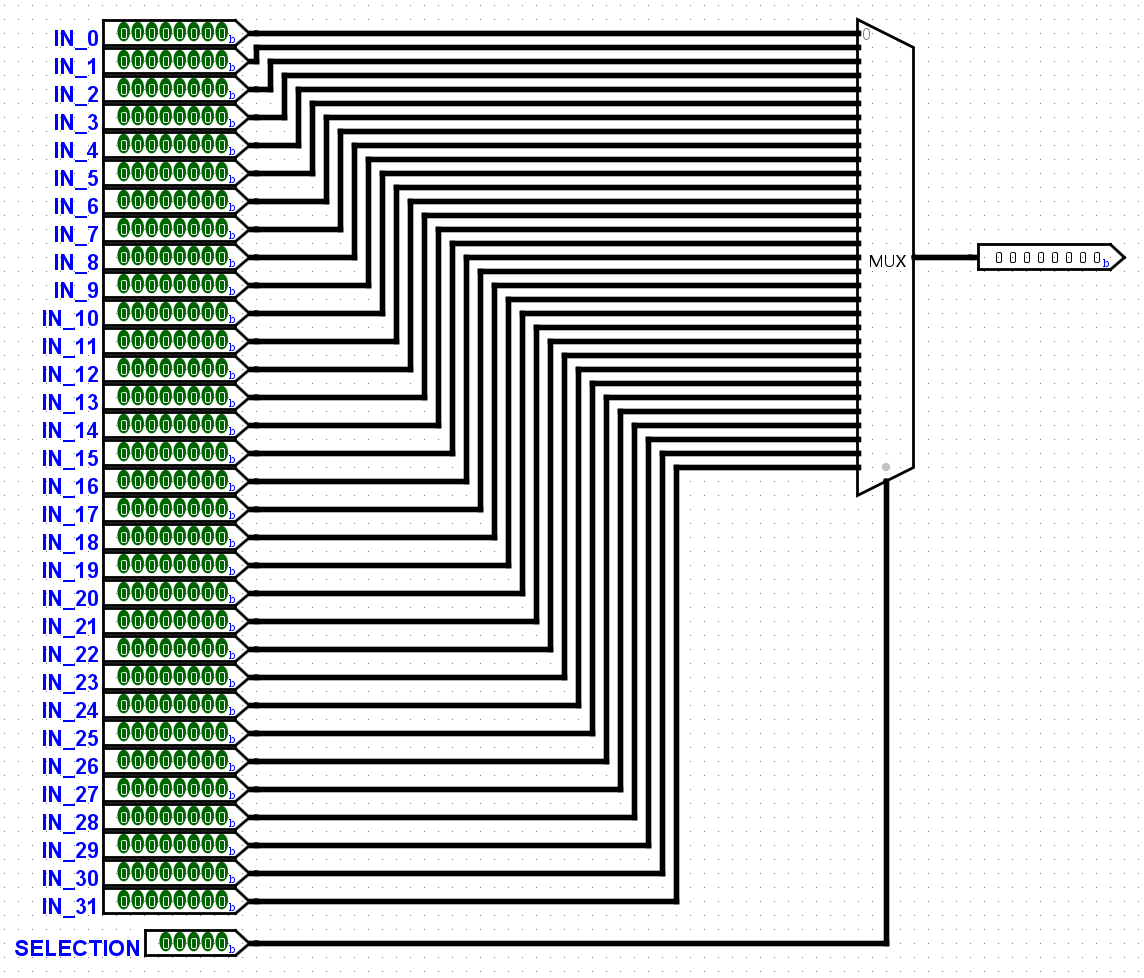
8비트 32입력 MUX 제작
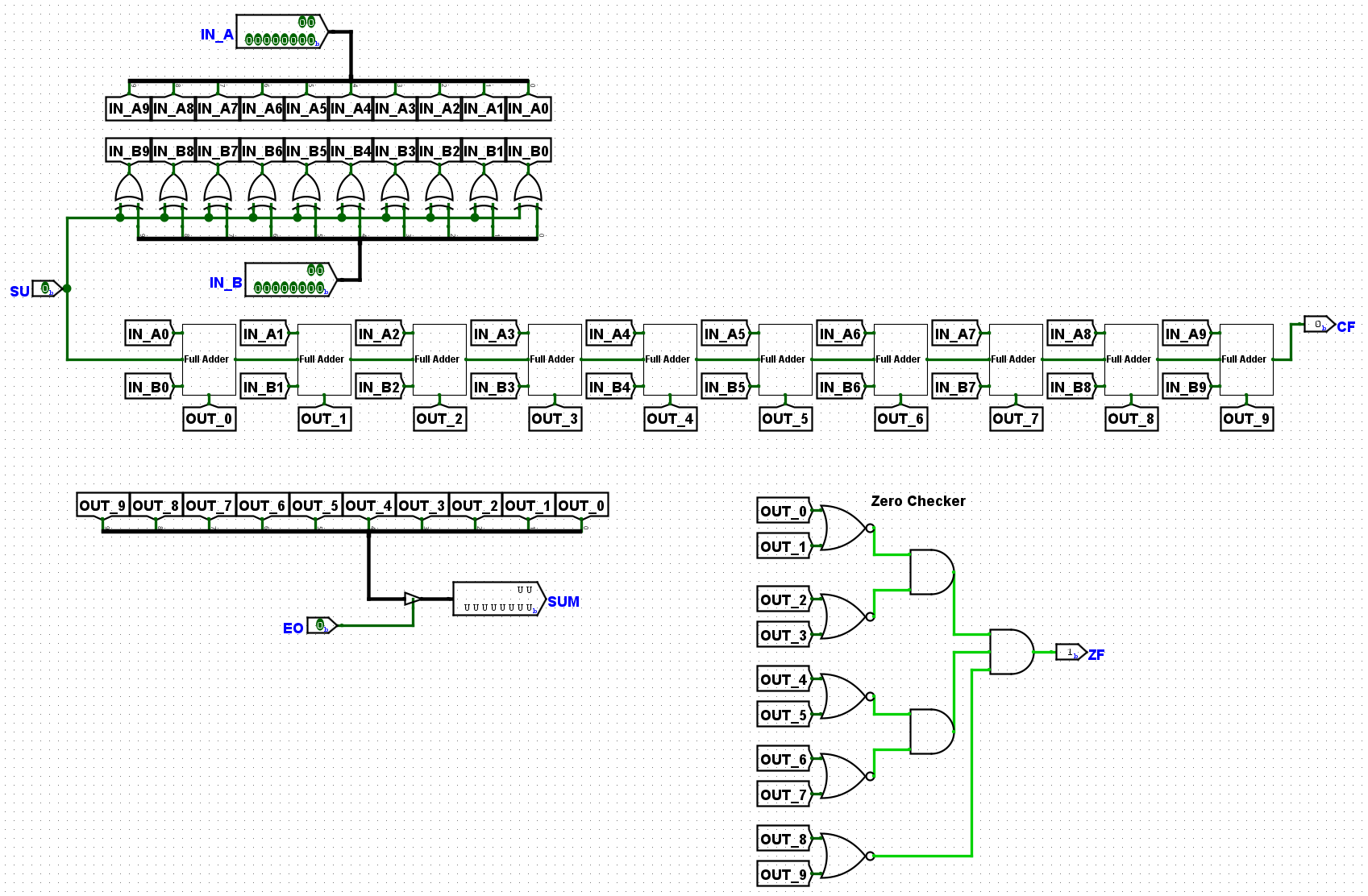
10비트 입력 두 개(A, B)를 계산하는 ALU 설계
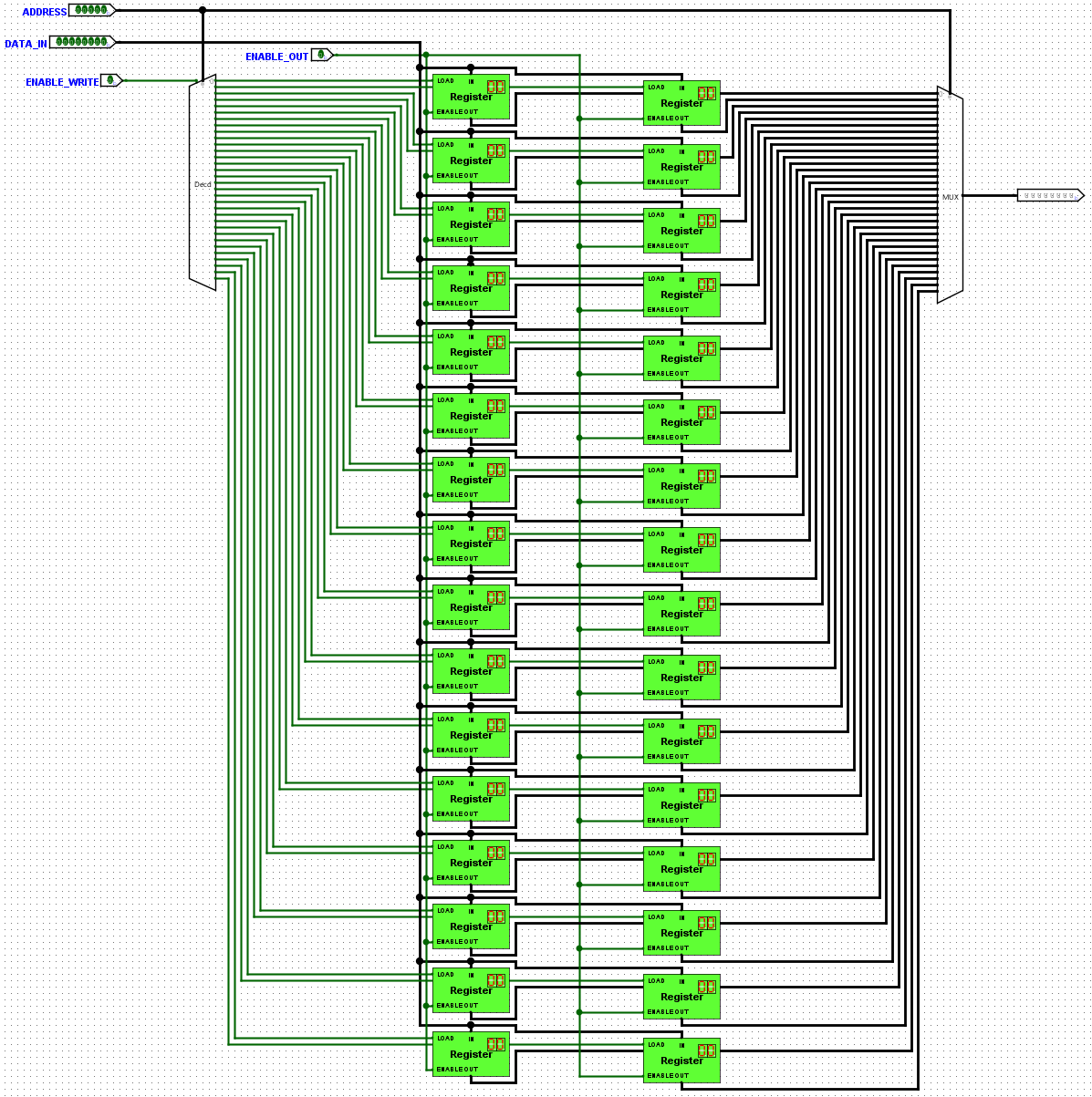
32바이트 RAM 구현
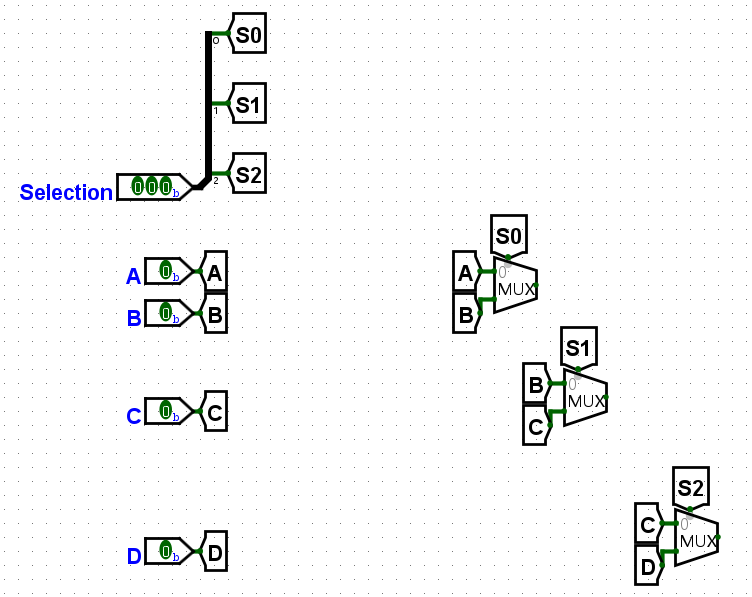
1) 모든 회로 연결을 터널(Tunnel)로 대체
목표: Logisim의 Tunnel 컴포넌트를 사용해 복잡한 선 숨기기
결과: 캔버스가 한눈에 들어오고, 라벨만으로 신호 흐름 파악 가능
2) 8비트 32입력 MUX 제작
목표: IN_0…IN_31 중 하나 선택하여 출력
구현: Logisim 내장 32-to-1 MUX + 8비트 버스
검증: SELECTION 값 변화 시 기대 출력 확인
3) 10비트 입력 두 개(A, B)를 계산하는 ALU 설계
목표: 덧셈(SU=0)/뺄셈(SU=1), Carry-in/Carry-out, Zero Flag
구현:
10개 Full Adder 체인
B 입력 XOR + SU → 뺄셈 지원
마지막 Adder의 Carry-out → CF, 출력 전 비트 OR·NOT → ZF
검증: 다양한 A, B 조합 테스트, CF/ZF 정상 동작
4) 32바이트 RAM 구현
목표: 5비트 주소 + 8비트 데이터 입·출력, ENABLE_WRITE, ENABLE_OUT
구현:
5→32 디코더 + AND → 각 레지스터 Load
읽기 MUX로 선택 출력
검증: WRITE=1 시 해당 워드에 저장, OUT=1 시 올바른 데이터 읽기
회고
잘한 점
단계적 학습
Red-Black 트리 개념 → 보조 함수 → 삽입 → 삭제까지 차근차근 구현하며 균형 유지 원리를 확실히 체득했습니다.
힙 기반 스케줄러와 힙 정렬, 다양한 크기의 MUX·디코더 구현으로 자료구조·회로 설계 감각을 크게 확장했어요.
모듈화 & 재사용성
Heap 비교 함수만 바꿔 다양한 스케줄링 정책을 손쉽게 실험했고, Logisim 터널·버퍼 적용으로 회로 블록을 깔끔하게 재사용할 수 있었습니다.
플래그·메모리 회로 반복 학습
반·전 가산기, Zero/Carry Flag, 래치·플립플롭, 레지스터 파일, RAM까지 차례로 구현하며 신호 흐름과 제어 신호 이해가 깊어졌습니다.
아쉬웠던 점 & 보완
테스트 케이스 부족
Red-Black 트리 삭제의 예외 케이스를 더 다양하게 검증하지 못했습니다.
힙 스케줄러에도
executionCount·cpuReturnCount동률 시나리오를 추가할 필요가 있습니다.
시간 관리
다양한 모듈 구현에 몰두하느라 후반부 학습이 빠듯했습니다.
마치며
이번 주차에도 "작게 쪼개고 하나씩 검증하는" 학습 방식을 통해, 알고리즘과 회로 설계 모두에서 자신감을 많이 얻었습니다.
다음 주에는 부족했던 것들을 보완해, 더 탄탄한 결과물을 만들어 보겠습니다. 감사합니다!
답변 0