





강의

멘토링

커뮤니티

BEST
Programming

/

etc. (Programming)

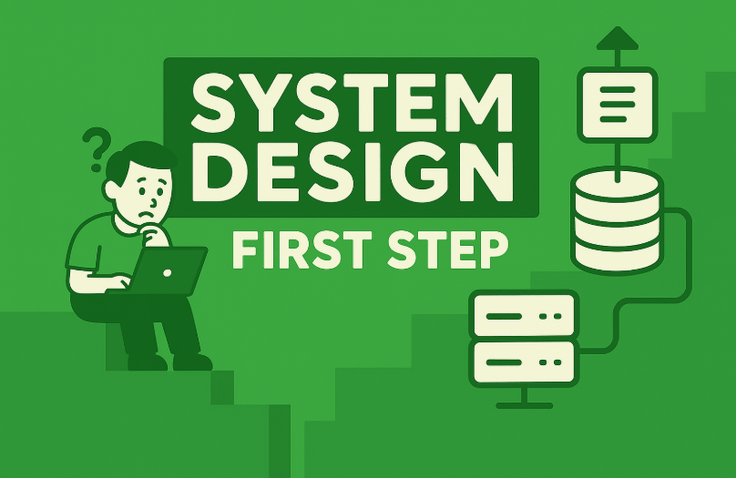
First Steps in System Design: Designing Backend Architecture That Stands Out in Interviews

Beyond basics like API design, CRUD implementation, and JWT authentication, all the way to backend architecture design! This is an introductory system design course to help you build 'your own backend architecture' that you can confidently discuss in interviews.

(4.9) 29 reviews

397 learners

  • mindlantern
시스템-디자인
아키텍쳐
개념강의
백엔드이해하기
Architecture
backend
software-design
system-design
Interview

Reviews from Early Learners

What you will gain after the course

  • Backend System Design

  • System Architecture

  • Large-Scale System Design Trade-offs

  • How to do a project that stands out in an interview

First Steps in System Design 🚶🏻‍♀️

Beyond implementing features, this is a stepping stone to becoming a backend developer who knows how to design.


" I clearly did the project, but why do I have nothing to say during the interview? 🤔 "

When many backend job seekers talk about their project experiences,
This will focus on API design and CRUD-centric function implementation .
But what the interviewer really wants to know is
It is your own judgment and consideration as to ' why it was designed that way ', not ' how it was implemented '.


This course is designed for job seekers who have no experience in backend architecture design .
When designing a large-scale system, what should be the goal , what components should it consist of,
And it covers the entire design flow step by step, up to what architecture can actually be developed.

Through this lecture, you will be able to confidently explain yourself in an interview.
Let's work together to complete a project with your own design .


#System Design #Architecture Design #Backend

🌟 Course Features

📌 So that even beginners can easily understand!

  • From the four core goals of system design to the major components and architectural concepts that make up the backend system,
    We explain system design at a beginner's level so that you can quickly get a feel for it.

📌 The ability to say, 'Why did you choose this technology?'

  • Beyond simple functional implementation, you'll learn about technology selection and architecture design processes that consider tradeoffs.
    Create a design rationale that you can confidently explain in an interview.

📌 Design sense applicable to actual projects!

  • Chapter 16 introduces how to create a project that stands out in interviews, and by following the practical missions provided in each section, you can personally consider and design a backend architecture suitable for your own project.

🙋 Recommended for

I want to quickly go over the basics of system design.


About backend system design
For those who want to quickly organize concepts and draw the big picture

I want to work on a project that will demonstrate my technical depth for employment.


Beyond simple functional implementation,
Anyone who wants to create a project that can explain the reason for the design and the process of selecting technology.

I'm a new developer and I have no experience designing systems yet.


Those who want to understand the goals and components of system design and develop the ability to design their own architecture.


📖 After taking the class

  • You will understand four core goals for designing large-scale backend systems .

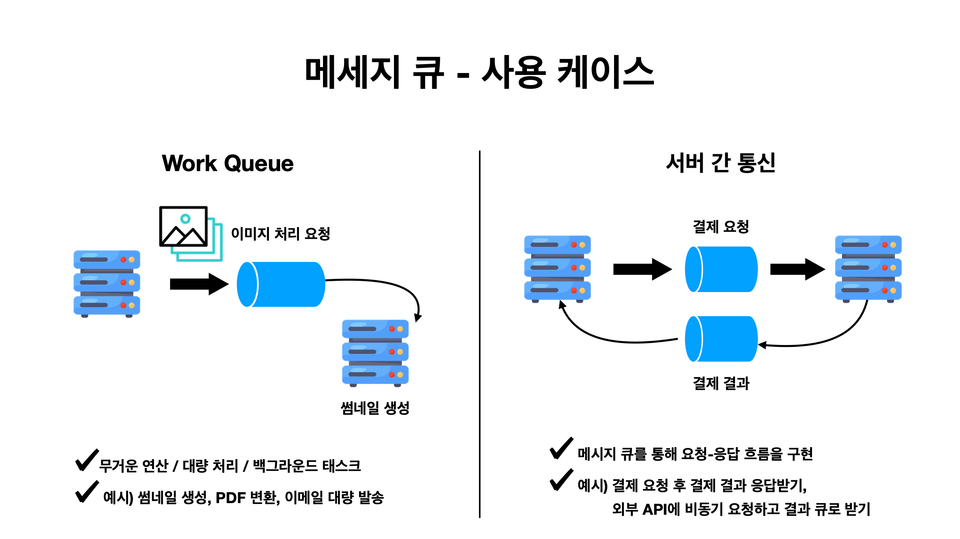
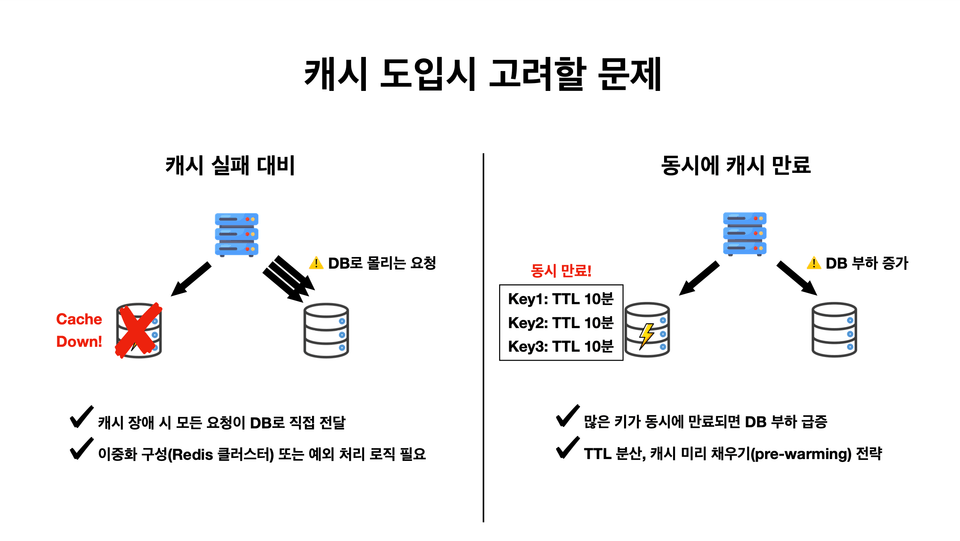
  • Servers, DBs, caches, message queues, load balancers, service registries, batch & streaming processing, etc.
    You will learn about the role and necessity of the core components that make up the backend architecture.


  • Learn the fundamental concepts and key tradeoffs (e.g., consistency vs. availability) to consider when designing a system.

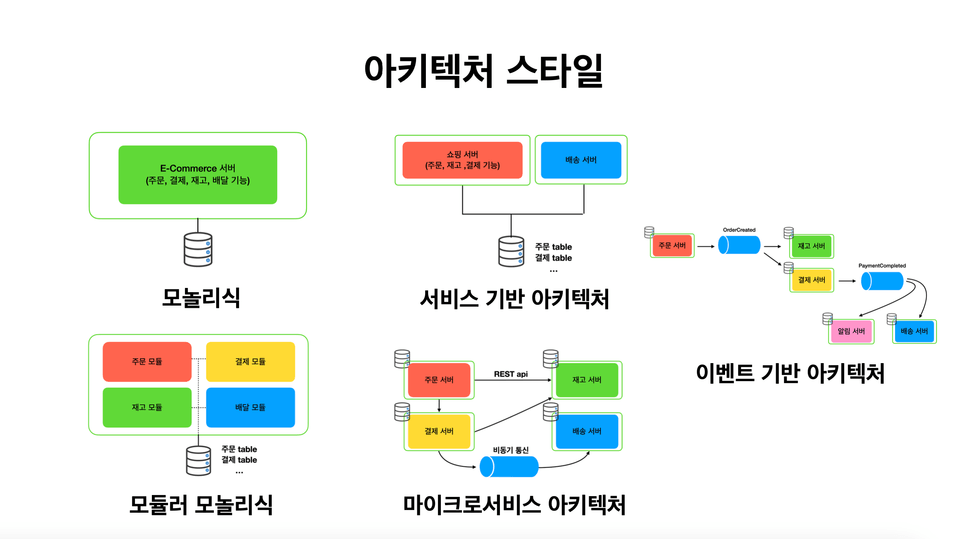
  • You will learn about major backend architecture styles and architectural design methods through example projects.

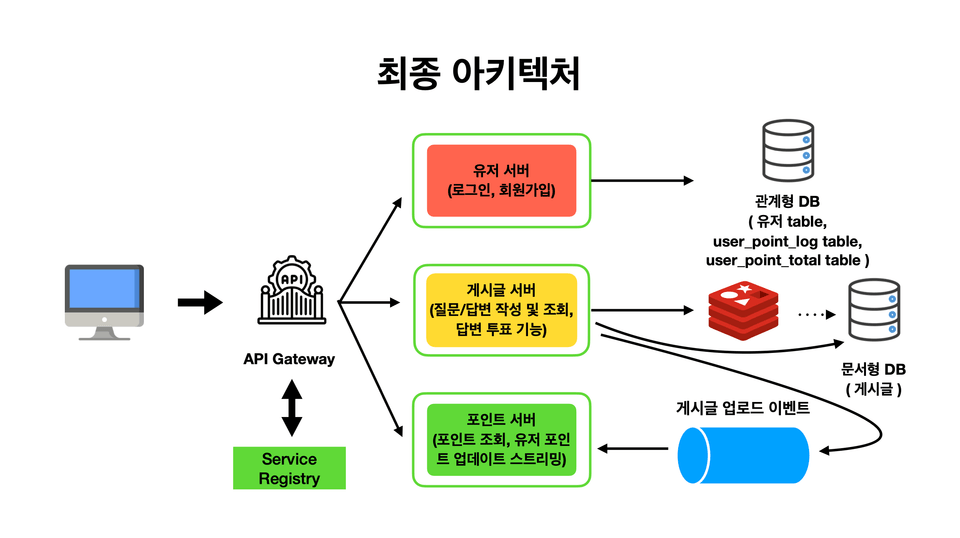
  • Job seekers working on backend development projects can design their own architecture based on lecture content and practical missions.

Learn these things

Section 1. Why Learn System Design?


We explore what system design is and why it has become especially important for backend developers recently .

This is the first step toward becoming a developer who can clearly articulate design reasons and technical judgments, rather than simply implementing them.

Section 2. Four Core Goals of System Design


Understand the four core goals of system design (reliability, performance, availability, and scalability) and learn how to apply them to actual project design.


Section 3. Key System Components and Tradeoffs


We introduce the main components frequently used in creating large-scale backend systems and explain in which cases they are used with real-world examples .

It goes beyond simply introducing components, and also covers the issues and trade-offs that need to be considered when introducing each component .

Section 4. Designing and Describing Your Own Architecture


This step-by-step guide will walk you through how to create a backend project that will stand out in interviews . We'll explain each step in detail: how to plan, implement, and refine the project.

Learn about different backend architecture styles , their pros and cons , and how to choose one .

We'll explore how you can incrementally improve your architecture by designing example projects together in the Developer Q&A Community.

Things to note before taking the course

Learning Materials

  • We provide a PDF of the lecture slides (350 pages).

Player Knowledge and Precautions

  • If you have basic backend development experience, you will find the course easier to follow.
    For example, it would be helpful if you had experience with technologies such as:

    • Experience developing API servers using web frameworks

    • Data storage using relational databases (RDB) or NoSQL DBs

    • Understanding the basic concepts of HTTP and networks

  • This course is a theory-oriented course that teaches system design concepts and design flow.
    So Redis, Kafka, Spring, Nginx, etc.
    It does not cover installation or usage of specific technologies, nor does it cover code implementation practices.

Recommended for
these people

Who is this course right for?

  • Backend job seeker who has implemented basic features but never designed architecture

  • Job seeker aiming to boost employability via projects contemplating large-scale system tradeoffs.

  • A new backend developer who has to design system architecture for the first time at the company

Need to know before starting?

  • Basic understanding of HTTP and RESTful API is a plus.

  • Experience building a simple CRUD server with web frameworks (Spring, Express ...) will be helpful for your learning.

  • If you have DB-related knowledge like SQL and relational databases (RDB), you can follow the lecture better.

Hello
This is

397

Learners

29

Reviews

6

Answers

4.9

Rating

1

Course

안녕하세요, 개발자 성장랜턴입니다.
국내 IT 대기업에서 근무 중이며, 누구나 개발자가 되어 상상하는 것을 직접 만들 수 있는 세상을 꿈꾸고 있습니다.

현업에서의 고민과 실제로 쓰이는 기술들을 처음 배우는 분들도 쉽게 이해할 수 있도록 전하고 싶습니다.
배우고 성장하는 과정을 좋아하는 사람으로서, 제 강의를 듣는 분들도 함께 성장하는 즐거움을 느낄 수 있으면 좋겠습니다.


이메일: mindlantern.studio@gmail.com

Curriculum

All

24 lectures ∙ (4hr 59min)

Course Materials:

Lecture resources
Published: 
Last updated: 

Reviews

All

29 reviews

4.9

29 reviews

  • kordokrip님의 프로필 이미지
    kordokrip

    Reviews 20

    Average Rating 3.7

    Edited

    5

    70% enrolled

    It seems like about 3 years have passed since I started working as an architect. Since I've been working according to the domain (manufacturing services), I feel like I'm always approaching system design from a similar perspective, so I'm watching this with the mindset of returning to my original intentions. Especially since I've never designed service-based architectures like e-commerce and fulfillment, your similar explanations have been very helpful. I think it would be great if you could create additional courses on heterogeneous data integration and real-time processing (multithreading, GPU acceleration, etc.) as additional services, since these are being used a lot in the manufacturing (energy) sector these days. Also, if you have the opportunity, I think uploading content about vector database design, which everyone is interested in these days, would be very helpful for job seekers. These days, even manufacturing-based SI group companies are looking for new hires who don't seem like typical new hires. Thank you.

    • mindlantern
      Instructor

      sungho kang, thank you for leaving such a positive review. I'm glad the course was helpful even though you already have experience as an architect in design work😊! The real-time processing of heterogeneous data integration that you mentioned is indeed a great topic, but it seems a bit too advanced for this introductory course, so I'll consider including it in a follow-up course that covers more in-depth content. Architecture design including vector databases and AI models seems to be something that many job seekers experience in their projects these days, so I'll create an additional course on that topic! Thank you so much for taking the time to leave such valuable feedback.

  • dt100027440님의 프로필 이미지
    dt100027440

    Reviews 2

    Average Rating 5.0

    Edited

    5

    100% enrolled

    This is my first course review. As a job seeker, I believe that with the recent advancements in AI, code implementation has largely become an area that can be resolved. So, as I pondered what would be important, the thought suddenly struck me, "Ah, now it will be important to design systems well, and system design communication will be crucial." Therefore, while reading "Fundamentals of Large-Scale System Design 1," which was introduced in the lecture, just as I thought it would be great if there was a lecture explaining things from a practitioner's perspective, I seemed to have stumbled upon this lecture and purchased it immediately. Personally, it was immensely helpful in grasping the big picture. Even for technologies I had never used but only heard of, I was able to broaden my background knowledge by thinking, "Ah, this could be used in this kind of situation," and I learned a lot about what needs to be considered in the early stages of an actual project. Why did you only appear now...? Not only that, but I also learned how to present projects effectively in an interview as a backend developer. I genuinely find documentation tedious, but from now on, I will diligently document the troubleshooting I've performed. Thank you for this truly excellent lecture. The PPT materials were very easy to read, and I loved the beautifully designed lecture materials! I don't know what other lectures you're planning next, but I will trust and enroll in them :>

    • mindlantern
      Instructor

      dt10002, thank you so much for leaving such a heartfelt course review! I created this course thinking that the experiences I've gained through development might be helpful to someone, and reading reviews like this, that it has actually been helpful, makes me feel incredibly proud and energized! 😆 Going forward, I will continue to develop this course so that it can be of practical help to even more people. I will sincerely support dt10002's future job search and system design journey! If any questions arise while you're studying, please feel free to leave a question anytime. Thank you!

  • aboutexo046263님의 프로필 이미지
    aboutexo046263

    Reviews 21

    Average Rating 4.9

    5

    30% enrolled

    • ready님의 프로필 이미지
      ready

      Reviews 6

      Average Rating 5.0

      5

      60% enrolled

      • sunwk950744님의 프로필 이미지
        sunwk950744

        Reviews 2

        Average Rating 5.0

        5

        100% enrolled

        $34.10

        Similar courses

        Explore other courses in the same field!