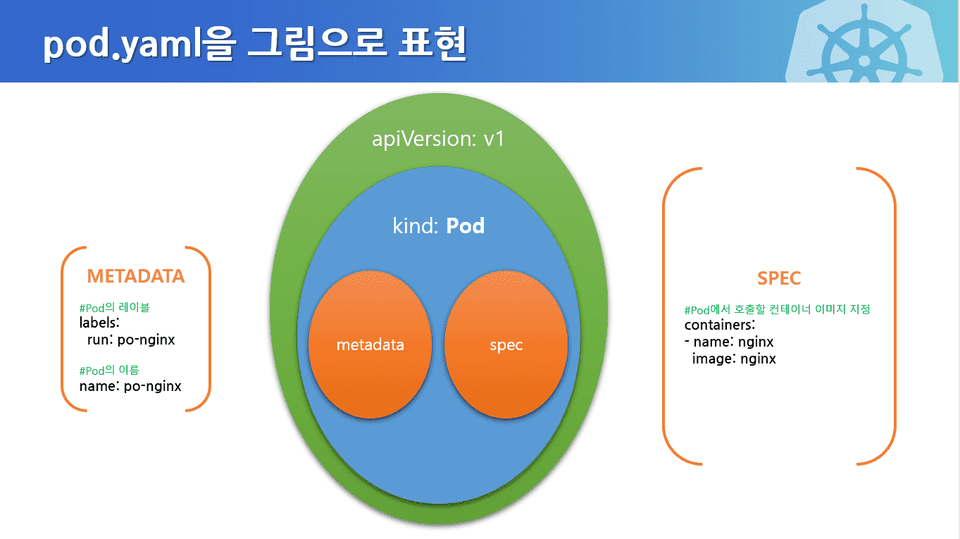
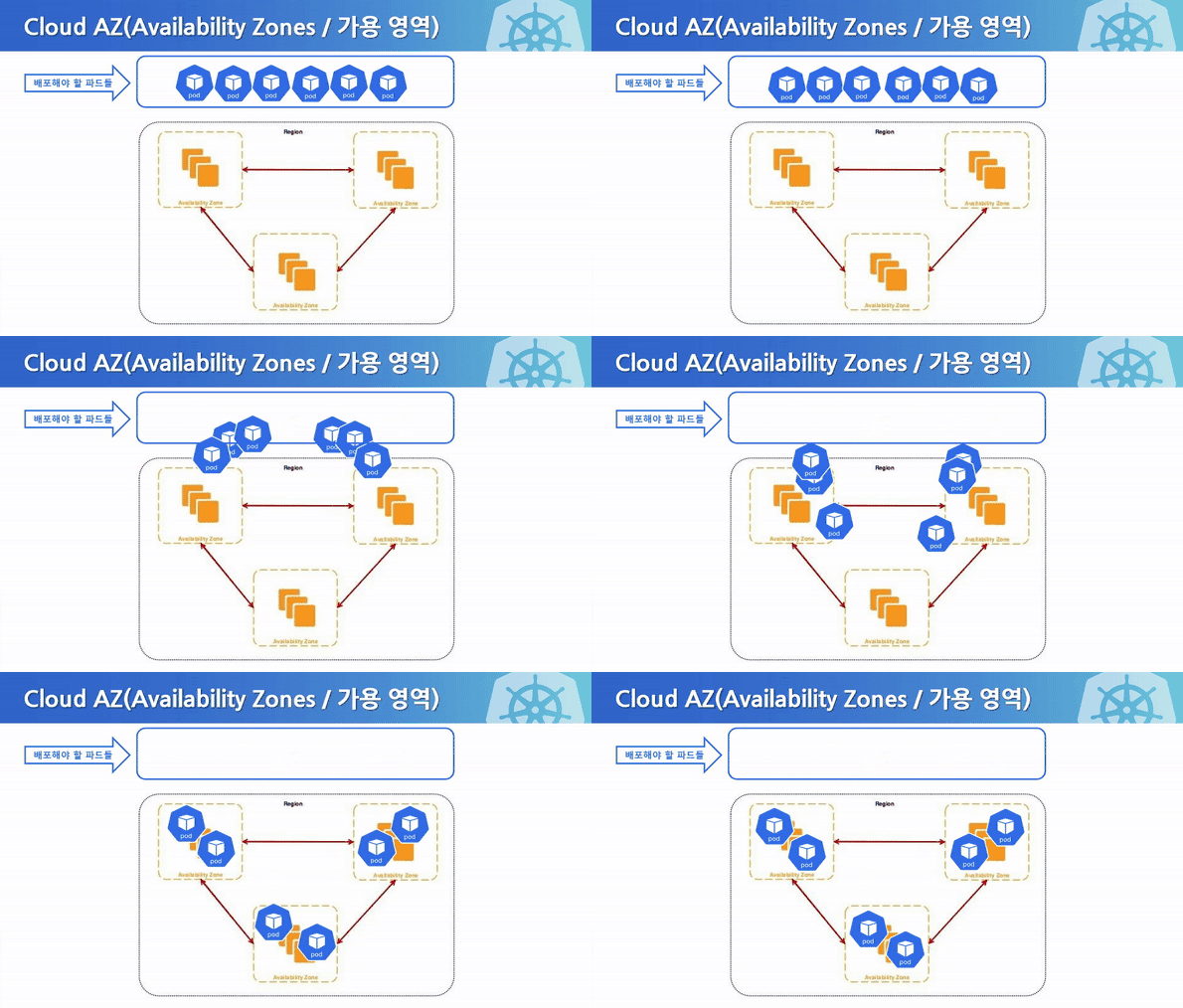
This course is designed so that you can learn many parts of Kubernetes (☸) through illustrations. 🧭
In particular, it expands upon the proven content of the bestseller 'Kubernetes/Docker for Building Container Infrastructure Environments' to help you study Kubernetes itself in greater depth. 💯
Additionally, practical content is periodically added to the 'Supplementary Lessons.' 👉 Please be sure to compare this with other courses :)
Although I have used Kubernetes briefly, I only used what I needed for work, so I often used it without knowing why I was using it, or without properly knowing what it meant or how it worked. But listening to the explanation slowly while looking at the pictures and example codes like this helped me organize my thoughts and it was very helpful. I would like to recommend it to both those who are completely new to Kubernetes, and those who have experience using it clumsily like me but feel like they can't explain it to others because they can't organize it!
5.0
정연욱
20% enrolled
I got a lot of help from Kubernetes Easy Start! I was able to easily understand the concepts and principles through the explanations using pictures, and this Kubernetes with Pictures additionally includes code explanations, so I think I'm even more excited! Thank you for always giving great lectures. #KubernetesNavigationFighting
5.0
si.kang
100% enrolled
I really liked the detailed lectures and the continuous reinforcement of the lectures.
What you will gain after the course
I can understand the code (YAML) that makes up Kubernetes.
You can check the conditions of the Kubernetes infrastructure through code.
You can actually implement a Kubernetes cluster using kubeadm.
You can learn the purposes of useful kubectl options (describe, logs).
You can deploy and expose objects such as Pods and Deployments as code.
You can learn about the elements associated with Kubernetes services.
You can learn various ways to use Kubernetes volumes.
You can learn how to configure and manage Kubernetes nodes.
You can learn in detail how to configure and manage Kubernetes pods.
You can manage the resources of a Kubernetes cluster.
You can learn in detail about scheduling, which is the flower of Kubernetes.
We will cover Probes in detail, which are essential for developers using Kubernetes.
You can learn various ways to effectively deploy the containers you have developed.
You can learn how to automatically manage applications (e.g., HPA).
The second step of your Kubernetes journey! 🚢 Lay the foundation for your growth as a developer or engineer.
The most comprehensive content currently available, covering version v1.30 Kubernetes Guide
📢 Practice updated to Kubernetes v1.30!
On June 16, 2024, the Kubernetes hands-on labs were updated to align with v1.30.
Accordingly, ch2 has been changed to a format used commonly throughout the entire course, and the content previously in ch2 has been moved to the 10s (e.g., 2.11, 2.12).
Additionally, the base operating system has been changed from CentOS 7 to Ubuntu 22.04.
The additional videos filmed for the v1.30 update include the entirety of ch1, 9.5, 9.6, and B.001. Additionally, the versions of some applications have been changed.
Previous supplementary materials have been saved in A, and from v1.30 onwards, they will proceed with B.
🎉 Mac Silicon (M1, M2, M3, M4 / arm64) is now officially supported. 😄
This course was created with the goal of structurally organizing the parts of Kubernetes that are difficult to learn through documentation alone, and to reduce the challenges of learning Kubernetes in earnest through the use of analogies and illustrations.
💡 Things to know before enrolling in the course
Kubernetes is not just a development tool, but an infrastructure management tool (including development). Therefore, it is suitable for purposes such as DevOps, SRE, and TA to scale development itself, and there is a lot of foundational knowledge required for this. Some roles may feel there is a lack of detailed explanation, but it is difficult to explain all foundational knowledge. However, it is a field that must be learned by those who wish to expand their development scope, such as CI/CD. Additionally, terms that may seem imprecise, such as Service, are official Kubernetes terminology, and overlapping terminology is unavoidable in the process of bringing in existing infrastructure structures.
The best educational resource is the official Kubernetes website, and if learning through it is sufficient for you, no separate lecture is necessary. However, for those who find it difficult to learn through the official website, training like this exists. Since everyone starts with different levels of foundational knowledge, learning Kubernetes from scratch is not easy, and you may need to fill in your own knowledge gaps separately.
This course is continuously updated (e.g., supplementary lessons, v1.25 > v1.30, Mac Silicon support) to reflect the ever-changing nature of Kubernetes and its real-world applications.
If you would like to understand the characteristics of the course, I recommend taking the free public lesson (preview) 6.7. Taints and Tolerations lesson!
If you find the content above satisfactory and believe the current course curriculum will be helpful, I recommend proceeding with the lecture.
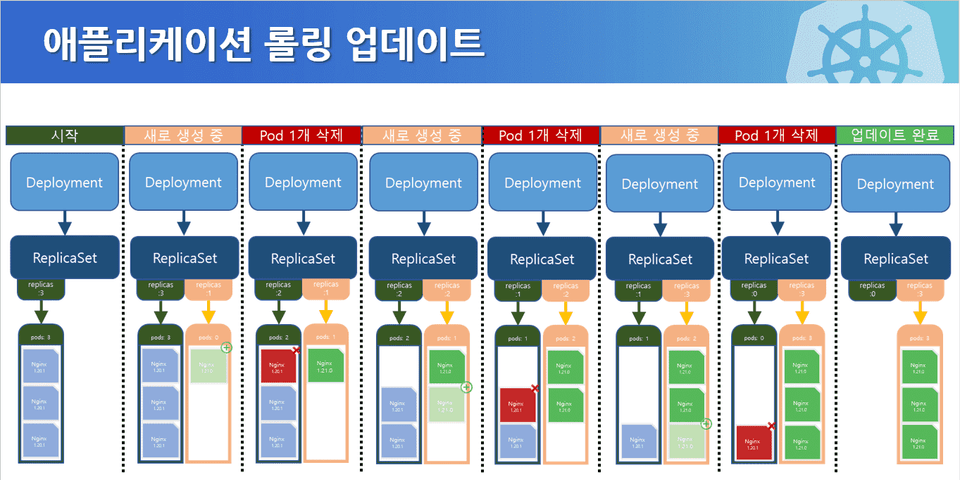
Application Rolling Update
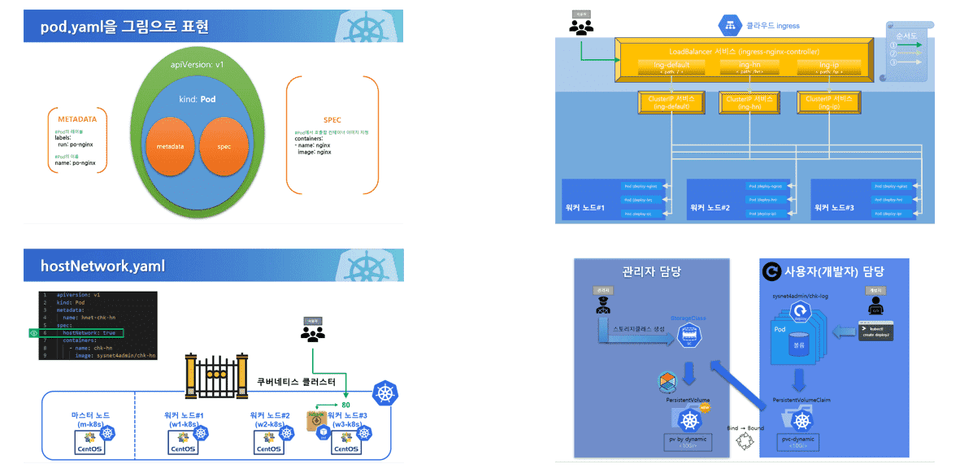
Other illustrations
The current course is structured to make the elements used in Kubernetes easy to understand, with the goal of deploying them through code to start using Kubernetes in earnest. Accordingly, the curriculum consists of three main headings, which are further divided into subheadings and then into specific topics.
Part 1. Understanding Kubernetes
ch1: Code for configuring the Kubernetes practice environment
ch2: 『Common』 Setting up the Kubernetes practice environment (+preliminary preparation)
Part 2. Understanding Kubernetes Objects Through Code
ch3: How to deploy applications
ch4: How to Expose Applications
ch5: How to use application volumes
Part 3. Configuration and Management of Kubernetes Elements
ch6: Kubernetes Node Configuration and Management
ch7: Kubernetes Pod Configuration and Management
ch8: Kubernetes Cluster Management
ch9: Effective Application Configuration and Management
The detailed table of contents is in the course introduction below, so please refer to that for more information.
Why should we look at Kubernetes code?
Both the deployment and management formats for Kubernetes objects are implemented in YAML. Therefore, if you cannot read code using YAML, it is difficult to understand the true meaning of Kubernetes elements. Additionally, other tools for container infrastructure also operate based on code.
Modern infrastructure is being built with code, and this is becoming an inevitable trend.
Infrastructure as Code (IaC) is an essential element for Kubernetes and almost all product families within the Kubernetes ecosystem. Therefore, I hope you can learn Kubernetes as code as soon as possible to grow and join us as a leading developer/engineer.
Why don't you start learning Kubernetes with code right now?
Key Features of This Course
Even if you don't know the code right now, you can still take this course. (The code is explained with diagrams in the beginning.)
You can understand the configuration of a Kubernetes cluster through code.
You can understand individual Kubernetes objects through code.
You can learn how to effectively manage the configuration of Kubernetes components.
This is the most comprehensive Kubernetes course available in Korea.
A current Kubernetes engineer will teach you directly.
This is a course that deeply expands on the Kubernetes section of the proven bestseller 'Kubernetes/Docker for Building Container Infrastructure Environments'.
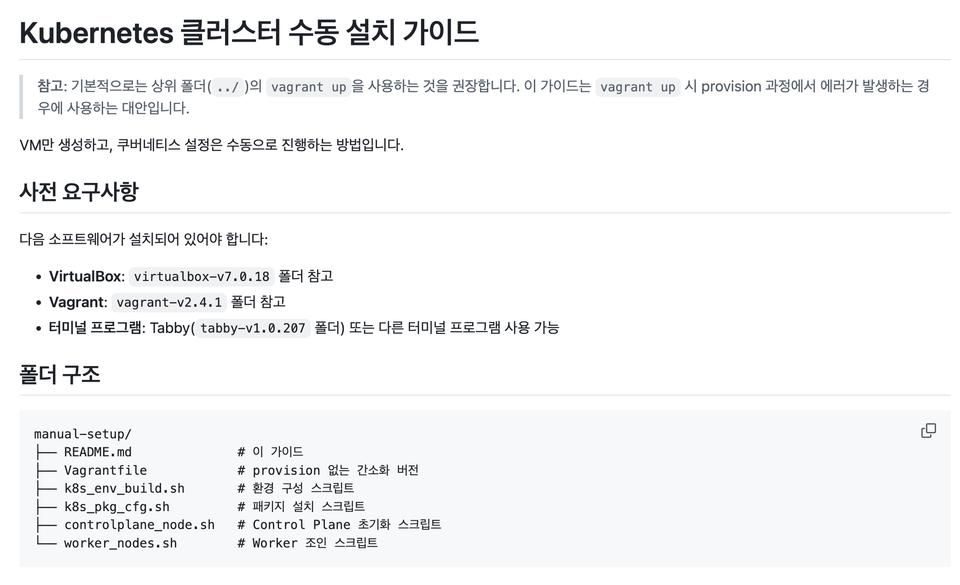
We provide scripts and manuals for manual installation and configuration in cases where automatic configuration is difficult.
I have seen many people around me start learning Kubernetes, but struggle significantly with how to study it. Even if they have grasped the basic concepts through 'Kubernetes for Easy Starters'... in reality, what you can do is very limited without involving code if you want to handle Kubernetes properly.
Therefore, this lecture is a reflection of my concerns: "Can I teach how to handle Kubernetes with code in a truly easy way?" and "How can I help people join the Kubernetes ecosystem?"
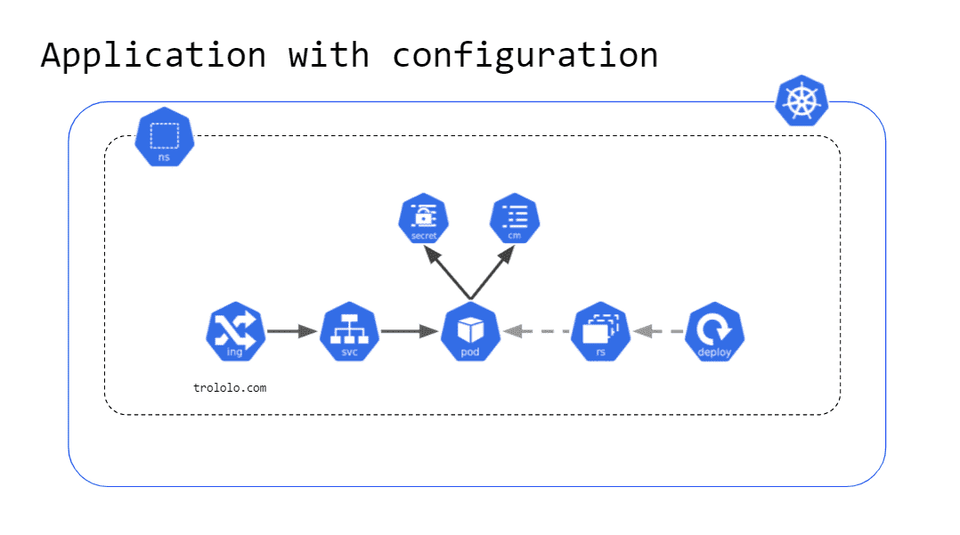
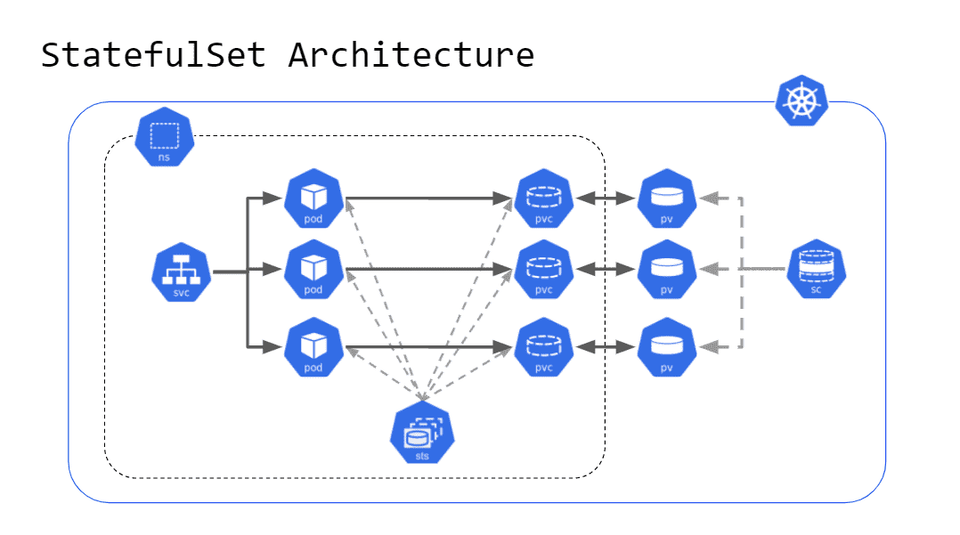
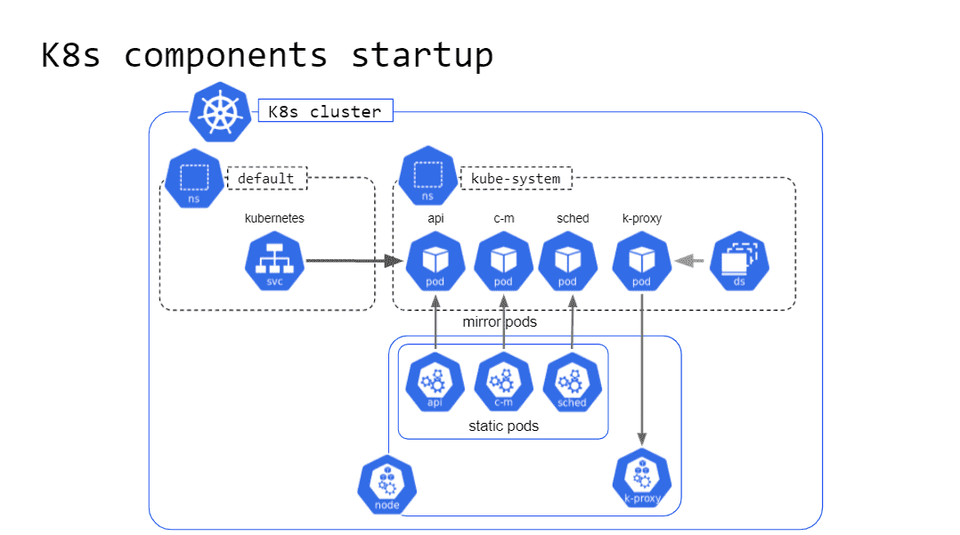
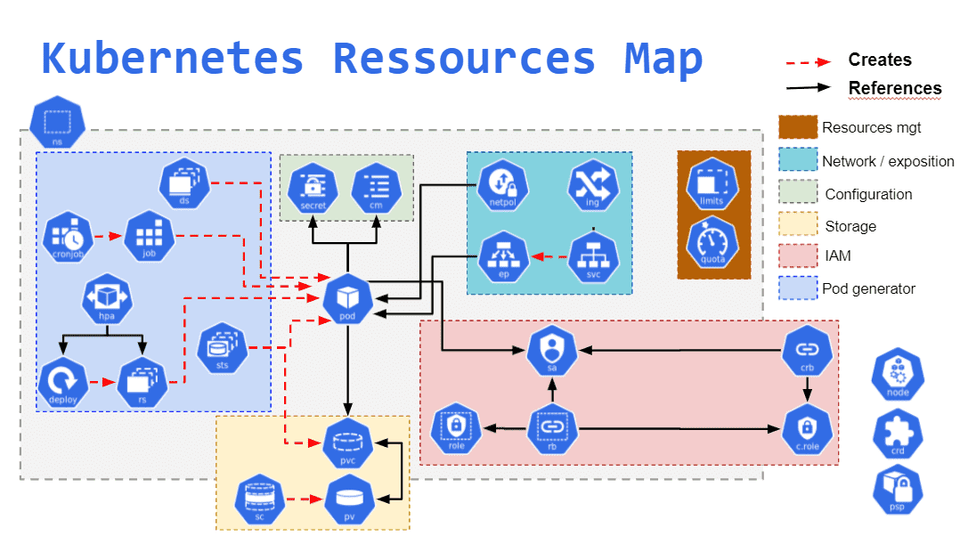
If you complete and understand all the current lectures, you will be able to understand the following architectural diagrams.
Various types of Kubernetes architectures
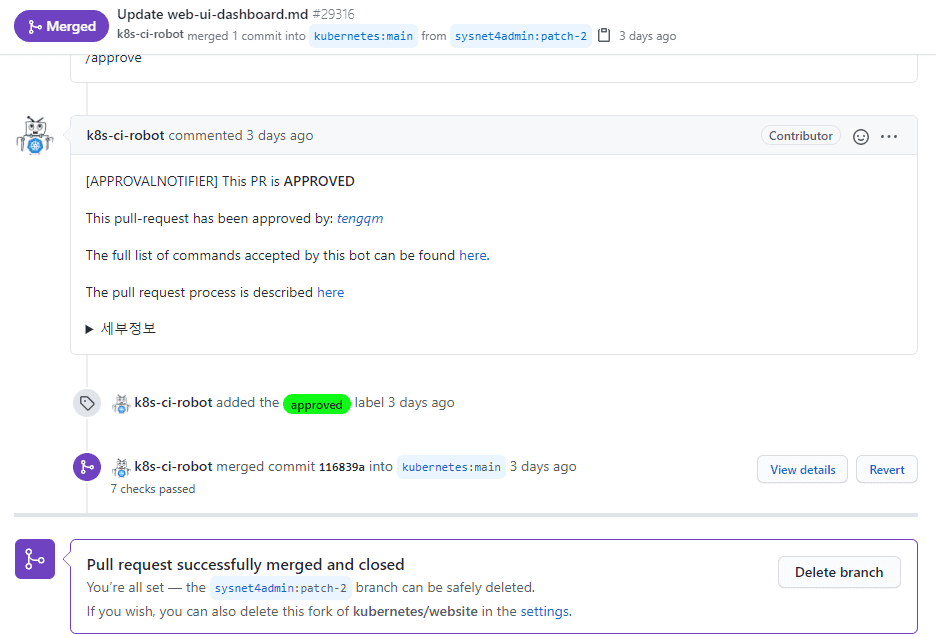
Active Kubernetes contribution activities
Kubernetes Dashboard
Request to change the Kubernetes Dashboard version in the Kubernetes documentation (View Issue)
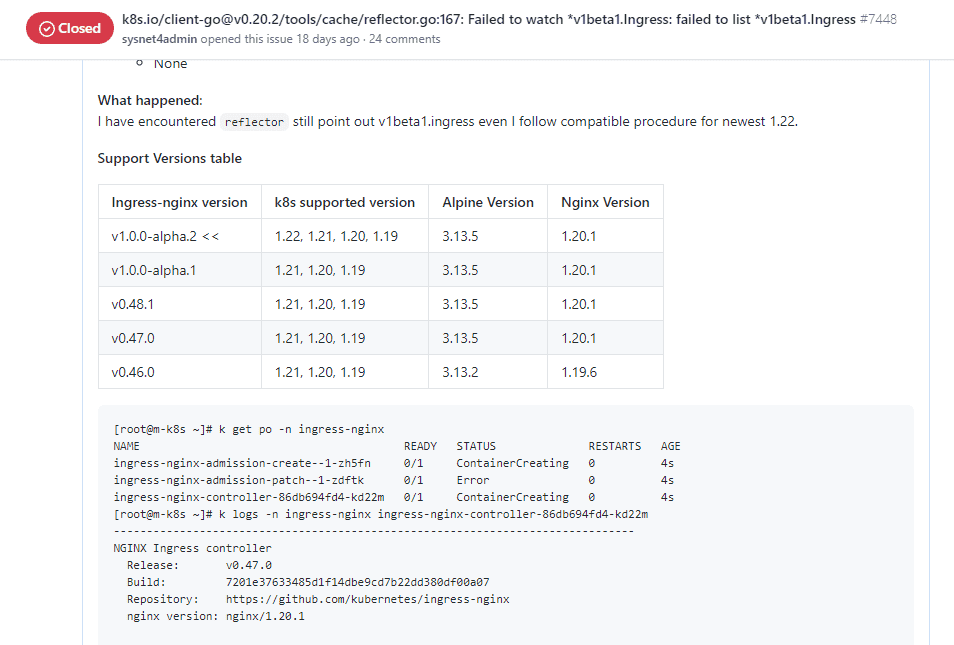
Nginx ingress Controller
Request to fix the issue where Nginx Ingress controller still calls v1.21 APIs in v1.22 (View Issue)
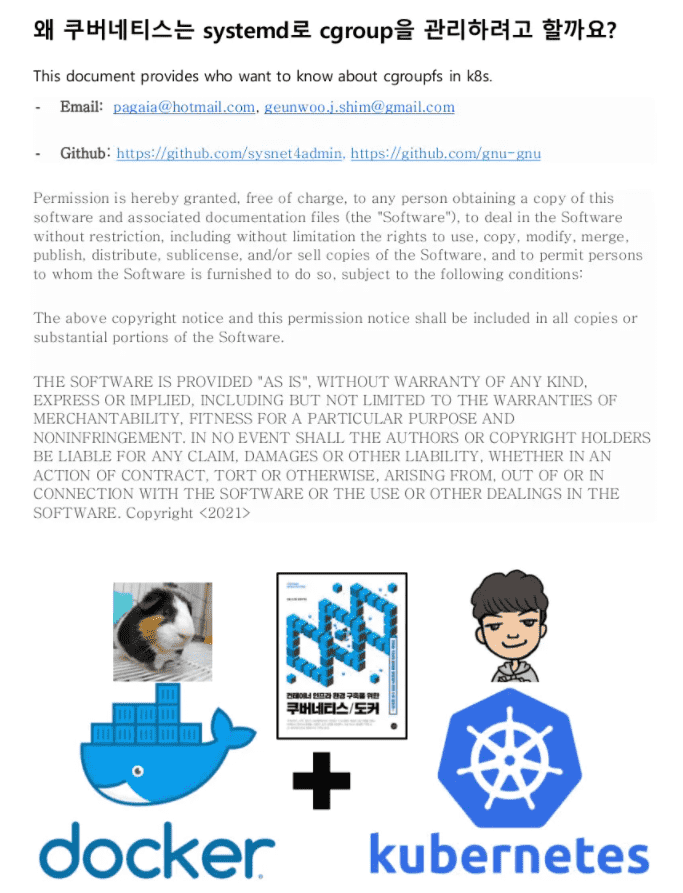
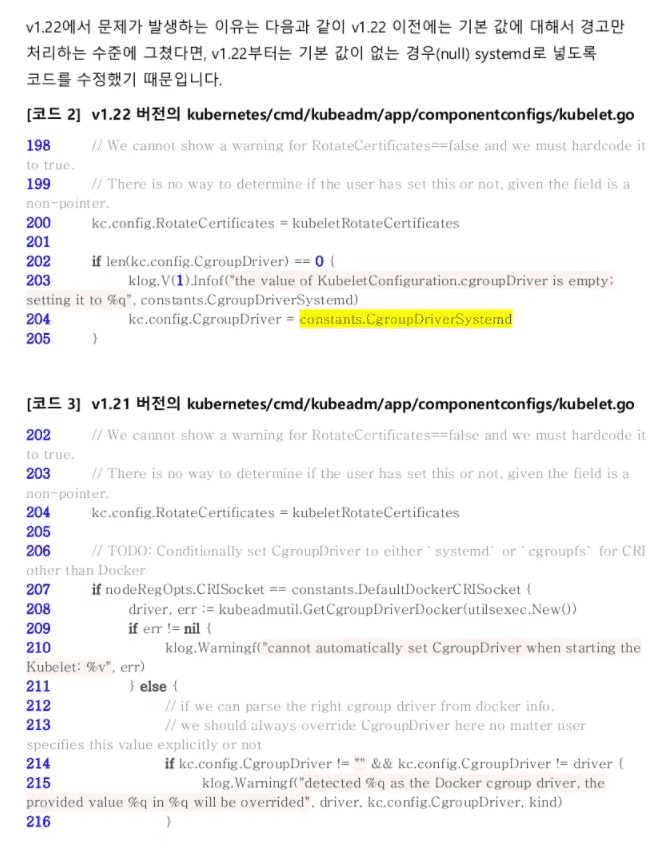
Why does Kubernetes try to manage cgroups with systemd? (View slides)
Q. Can I take this course without taking the prerequisite course 'Kubernetes for Easy Start'?
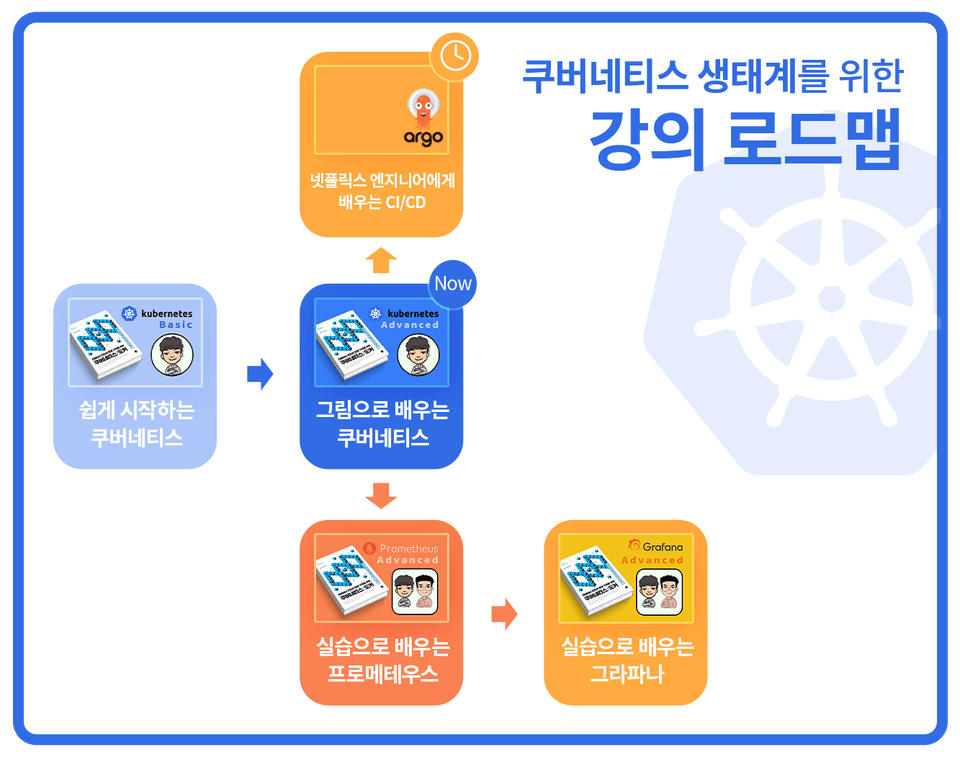
That's the very question from the expected Q&A list. In terms of recommendation, I would suggest taking 'Kubernetes for Beginners' before this course. This is because I will frequently refer to previously explained content or skip explanations for concepts already covered during the lectures.
To make a more accurate judgment, if you look at the current table of contents and find that you already know more than half of the content, I think it's fine to take the course right away. Alternatively, if you have already sufficiently mastered the book 'Kubernetes/Docker for Building Container Infrastructure Environments', you can start immediately. However, because there is a specific flow, I would recommend taking it after listening to 'Kubernetes for Easy Start' if possible. Please understand that I can only offer this as a recommendation, as it depends on individual preference and level of understanding.
Q. Do I have to learn Kubernetes through this specific course?
I'm an honest person, so the answer is "No." The best textbook is the official Kubernetes website. However, for someone studying for the first time, it can be difficult to figure out how to start and what to learn from the official documentation. You can think of the official Kubernetes website as the "textbook" and this course as a "reference book." You learn from the textbook, but to understand new concepts, you use the reference book to grasp the ideas before returning to the textbook. :)
Q. Can I learn everything about Kubernetes just by taking this course?
As mentioned in the previous lecture (Kubernetes for Easy Start), it is impossible to teach everything about Kubernetes in a few dozen hours of online or offline classes. Because Kubernetes continuously integrates all elements of modern IT, it is not possible for an individual to learn and claim to know everything in a short period of time. Furthermore, it is a technology that evolves very rapidly and requires different directions depending on specific needs, so it requires a significant amount of individual study.
Therefore, follow-up lectures are being prepared to assist with your individual studies.
Programs and versions used in the lecture & Lecture source address
We are doing our best to ensure a smooth practice experience for all students, but please understand that we may not be able to provide assistance for Vagrant-related errors that occur due to individual environments.
(x86-64) Vagrant related errors can make it difficult to proceed with the practice, so we are providing an OVA image. (The download link is provided at the bottom of lecture 2.3)
We provide answers to questions, but Q&A is not included in the course fee. However, if the practice exercises do not work or if there is incorrect content, please let us know and we will take action as quickly as possible.
Recommended for these people
Who is this course right for?
Those who have been waiting for the next lecture of 'Kubernetes Made Easy'
Those who found the Kubernetes manual difficult to follow
For those who want to organize broad Kubernetes concepts all at once.
Those who wanted a lecture on the latest version of Kubernetes (v1.30)
Those who want to reinforce the Kubernetes section from the book 'Kubernetes/Docker for Building Container Infrastructure Environments'
Those who want to handle and learn Kubernetes as a cluster concept rather than a single-node concept.
Those who are curious about practical details
Need to know before starting?
'Kubernetes Made Easy' course or basic Kubernetes knowledge
Basic usage of vi or vim (Y, dd, p, :wq, :q!)
Basic Linux commands (e.g., cd, ls, cat, etc.)
Basics of networking (e.g., 192.168.1.10/24 and 192.168.1.101/24 can communicate with each other)
Enthusiasm to learn markup languages such as YAML (of course, I will explain)
At Megazone, I serve as a Tech Evangelist and a member of the CoE (Center of Excellence), focusing on Kubernetes and container infrastructure. My primary role involves modernizing and optimizing the costs of the Kubernetes environments used in the company's SaaS products, while also providing Tech Advisory and Container Architecture Design support for external clients. As a Global Ambassador for the Cloud Native Computing Foundation (CNCF), I contribute to the widespread adoption of cloud-native and AI-native technologies. Additionally, I serve as an organizer for the 'IT Infrastructure Engineer Group' and remain active as an open-source contributor. I enjoy sharing knowledge, which has led me to teach courses on Ansible and Kubernetes on platforms like Inflearn and Udemy. Believing that knowledge truly gains meaning when documented, I have authored books such as "Kubernetes/Docker for Building Container Infrastructure Environments," "Elegant Ansible," and "Practical Python Programming for System/Network Administrators." I also frequently contribute articles to online platforms like YojeumIT.
Until now, when I studied Kuber, I had a hard time explaining it beyond a one-dimensional short answer when someone asked me to explain it..
The lecture has a lot of animations, so it was very helpful for understanding the order of each operation and the principle. (For example, the correlation between the metrics server and HPA)
The provided example code and explanation of the code are sufficient, so I think it will be very helpful when writing YAML.
I would like to recommend it to everyone who uses Kubernetes for work or has a job that requires answering customers' inquiries about Kuber.
Ah, thank you. Personally, I think that Kuber is a basic skill that all developers/engineers/other IT positions should have. :)
I hope we can work together.
I got a lot of help from Kubernetes Easy Start! I was able to easily understand the concepts and principles through the explanations using pictures, and this Kubernetes with Pictures additionally includes code explanations, so I think I'm even more excited! Thank you for always giving great lectures. #KubernetesNavigationFighting
After first encountering Kubernetes through other basic lectures, I looked for an intermediate lecture and ended up taking the Kubernetes with Pictures lecture, and I started to understand things I didn't understand before. I always just followed along and used it, but I wanted to know more about the concepts, so I also paid for Easy Kubernetes. I recommend it to those who are new to Kubernetes. #KubernetesNavigationFighting
Aha, of course the other lectures are great too, but for various reasons, there were probably parts that weren't covered or had differences in perspectives, so some people had a hard time understanding them. I'm glad that those parts were filled in well :) Thank you for the review.
Although I have used Kubernetes briefly, I only used what I needed for work, so I often used it without knowing why I was using it, or without properly knowing what it meant or how it worked. But listening to the explanation slowly while looking at the pictures and example codes like this helped me organize my thoughts and it was very helpful. I would like to recommend it to both those who are completely new to Kubernetes, and those who have experience using it clumsily like me but feel like they can't explain it to others because they can't organize it!