P2P Communication Using WebRTC That No One Tells You About
July
You can learn about implementing webcam and peer-to-peer communication using WebRTC.
Beginner
Go, webrtc, p2p
This lecture covers the process of configuring a custom Gateway API using yaml.


Reviews from Early Learners
5.0
감자
I took the Go Lang, API GW course out of simple curiosity, as I had no knowledge of it, but I was able to gain a lot of knowledge and keywords through the lecture style of creating together. Thank you!
5.0
이진혁
I took this course in a hurry because I had to implement an API GW in practice. I thought it might be difficult to follow at first if you don't have prior knowledge of Go Lang or API GW. However, since I work with Go Lang in my job and search for API GW information from time to time, I was able to focus on the key points, so it was a pretty good course. Above all, it was a very satisfying course because it's hard to find courses on API GW. Thank you!
5.0
KingLoma
The lecture itself doesn't have a complete Gateway feel, but I think it's great for beginners to learn. In fact, I didn't even know what the Gateway pattern was, so it was really helpful, and as I worked on the code together and saw the code being modified, it felt practical and very raw. I think this part of the lecture is not very well-structured and is more like a rough version, but I liked that it conveyed what he wanted to show. Thank you for the great lecture.
Environment injection via yaml
Trace using Kafka
Lock control for async processing
Optimized server management using API Gateway
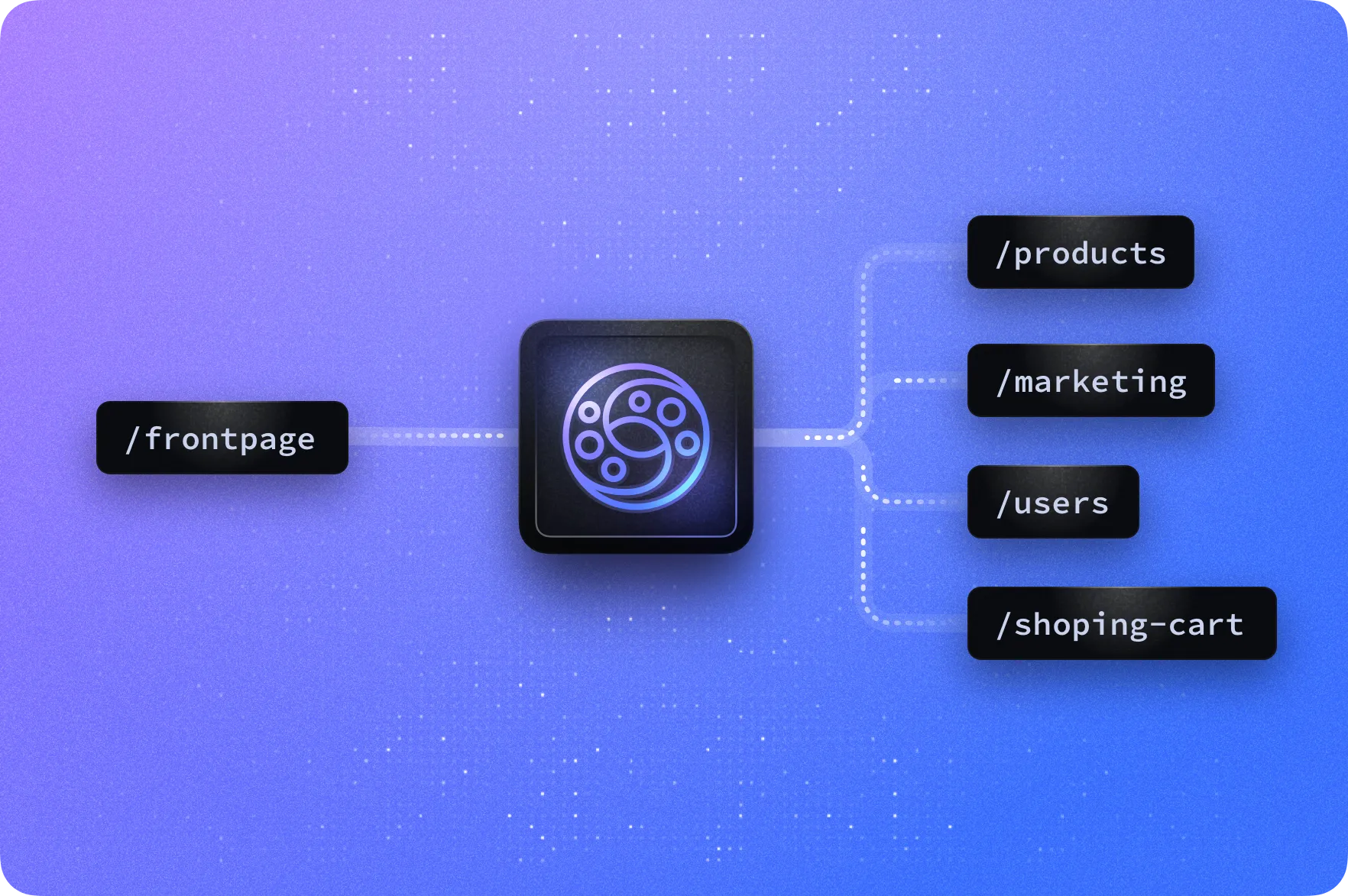
What technologies are used in MSA environments? A representative example is the Gateway Pattern, which utilizes the Gateway API.
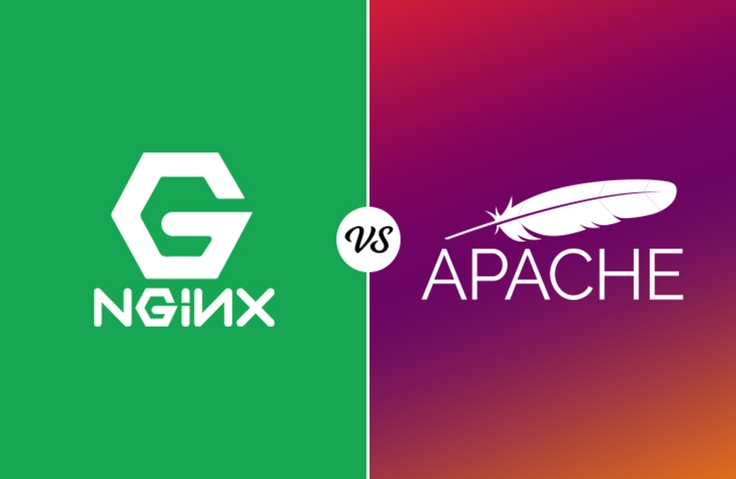
To implement these technologies, you'll primarily use Apache-apisix and nginx . These services allow you to build a single, high-performance web server, route traffic across multiple servers, handle multiple traffic streams, and protect the server responsible for internal logic from attacks like DDOS.
What I would like to talk about as a representative example is that you can implement a high-performance web server directly using Go .
Just as you can implement a high-performance web server by managing the environment configuration file separately in nginx , in this lecture you can learn how to handle API calls to external servers by utilizing yaml and defining specifications.
Additionally, we will inform you about latency logging for API calls and cost services through the API using Kafka's producer .
This pattern is frequently applied depending on the situation, and is also used when utilizing servers that share certain functions.
Trace information about the API using Kafka's Procuer.
Through this, you can learn about Kafka's message processing method and architecture for the API billing model.
We utilize an openSource called restry and implement calls and requests for rest APIs using the builder pattern that you are familiar with.
This module is a project that universally handles calls to other servers. To support this process, we're working on customizing optimizations for serialization.
How do Kakao and Naver implement API billing models?
In this lecture, we will directly implement the process of sending messages using Kafka, and you can learn how to implement it more intuitively through UI.
This lecture provides an insight into what the gateway pattern is by running a module through a yaml file and managing an external server from the module.
That's why we provide a Golang server for optimal performance and a Node server that acts as an external server.
I hope that your development will be more fun and interesting as you use these two servers directly and implement additional ones.
This course is unique in that it is not a lecture where the instructor follows pre-written code.
We will write the source code from scratch together with you, one by one, and then test it without any actual modifications.
Through this, I want to give you a more real-world, hands-on development experience, and in fact, as this process takes a lot of time, I personally encounter and resolve issues that you might have struggled with on your own, and provide you with direction and solutions on how to proceed.
I chose this method to keep the lectures simple, and while this process may not be perfect for me, I believe it will be more helpful to you.
This course was developed on MacOS M1.
The Kafka part is implemented through Docker.
The lecture was filmed using the IntelliJ IDE .
Who is this course right for?
For those of you learning microservices
For those who are curious about the Gateway Pattern
For those curious about the API billing model
For those of you who are curious about how to use Kafka
For those who are curious about using images using Docker
Need to know before starting?
Go [Just learn the concepts and feel free to use other languages.]
javascript [ Responsible for external servers ]
3,852
Learners
195
Reviews
88
Answers
4.4
Rating
15
Courses
Introduction
As a non-major, I am currently working as a platform server developer in Pangyo.
I enjoy server optimization and various query tuning, and I strive to explain simple features to you in a quick and easy-to-understand manner.
Experience
[Former] Sandbox Blockchain Developer
[Former] Backend Developer at a Nexon subsidiary
[Former] Platform Server Developer at a major tech company in Pangyo
[Current] Server Developer at a Pangyo-based parent company
All
21 lectures ∙ (2hr 57min)
All
8 reviews
4.9
8 reviews
Reviews 7
∙
Average Rating 5.0
5
The lecture itself doesn't have a complete Gateway feel, but I think it's great for beginners to learn. In fact, I didn't even know what the Gateway pattern was, so it was really helpful, and as I worked on the code together and saw the code being modified, it felt practical and very raw. I think this part of the lecture is not very well-structured and is more like a rough version, but I liked that it conveyed what he wanted to show. Thank you for the great lecture.
Reviews 2
∙
Average Rating 5.0
5
I took the Go Lang, API GW course out of simple curiosity, as I had no knowledge of it, but I was able to gain a lot of knowledge and keywords through the lecture style of creating together. Thank you!
Hello, thank you for leaving a good review. I wanted to provide a variety of development methods, and I wanted to make it a class where we work together on the code, rather than a class where we simply follow along. Of course, there were a lot of stutters and mistakes, but I expressed them all because that process is also development. I hope you have fun developing in the future. Thank you.
Reviews 8
∙
Average Rating 5.0
5
I think it was a really good lecture because it felt practical. First of all, if you focus on the lecture itself, it is a lecture that can be finished in a day or two, and it felt like we were actually debugging and working on the code together through modifications in the middle, rather than just showing the completed part neatly. I think that part was really good for me. I have taken several lectures, but this lecture really resonated with me. The topic itself didn't feel like it was implementing a perfect NGINX. Of course, I thought it was because it was a difficult topic, but I still enjoyed listening to how to automate and run a server that meets the standards.
Reviews 10
∙
Average Rating 5.0
5
I took this course in a hurry because I had to implement an API GW in practice. I thought it might be difficult to follow at first if you don't have prior knowledge of Go Lang or API GW. However, since I work with Go Lang in my job and search for API GW information from time to time, I was able to focus on the key points, so it was a pretty good course. Above all, it was a very satisfying course because it's hard to find courses on API GW. Thank you!
Hello, thank you for leaving a review. I like various development methods and architectures. Because I always think that there is no growth without trying. As a developer, you are faced with a moment of choice every time. I think you have to make the best choice, even if it's not the best. I hope this lecture will be the best choice for Jin-hyuk. Thank you for taking the lecture. In the future, I will prepare lectures that even beginners can understand.
Reviews 1
∙
Average Rating 5.0
Check out other courses by the instructor!
Explore other courses in the same field!