1. Course Introduction
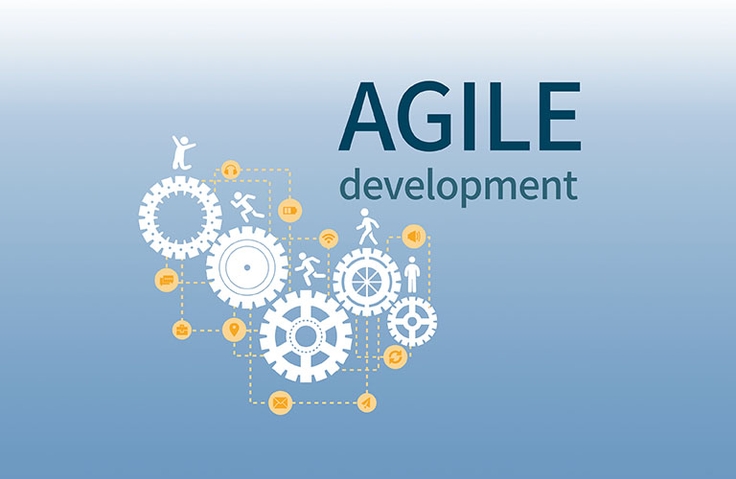
This course introduces the key principles, characteristics, and case studies of agile methodologies, providing an easy-to-understand explanation of the differences between traditional and agile development methods. Agile development, which emerged in the mid-1990s, not only enables rapid response to business changes, but has also established itself as a practical methodology for efficient development processes and creative product development.
The development culture pursued by Agile—including active communication and collaboration among team members, employee initiative, and a horizontal organizational culture—also serves as a catalyst for both business agility and creativity. Consequently, most global companies, including Google, Microsoft, Facebook, Cisco, Samsung Electronics, LG Electronics, and Naver, have adopted and actively utilized this approach.
Main contents
Why Agile Development? Creative Product Development and the Characteristics of Agile Methodologies. Agile Project Management Concepts. Key Agile Development Principles. Key Agile Practices. Comparison of Traditional and Agile Methods. Considerations When Adopting Agile.
2. Helpful people
- SW Developer, HELLOWORLD Engineer
- tester
- Designers, planners, etc.
- Anyone interested in agile methodology, including project managers, team leaders, and managers
3. Course Features
- You can understand the concepts of agile development and project management that are used globally.
- You can understand the pros and cons and characteristics of traditional and agile development methods.
- You can learn about the things to consider when introducing Agile and the main principles of Agile development.
4. Instructor Introduction
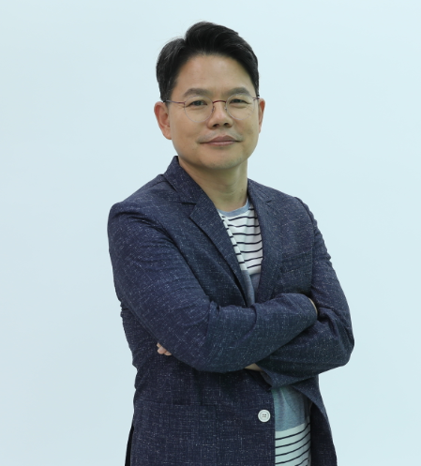
Lee Jae-wang
Jaewang Lee, CEO, holds a Master's degree in Software Engineering and has over 20 years of experience providing quality and project management consulting in the software development field. Since 2004, he has led a community focused on software processes (CMMI, Agile, etc.) and has been a prominent speaker at various software conferences and seminars. After delving into the challenges and issues facing software projects, he discovered Agile in 2007. He now leverages traditional and Agile methodologies in a complementary manner, helping software development organizations enhance creativity, productivity, and quality. He currently strives to spread Agile values and philosophy across various industries. For the past several years, he has collaborated with the Software Engineering Center of the National IT Industry Promotion Agency (NIPA) as an Agile coach for software projects. He has provided Agile and process improvement consulting and training to companies such as Samsung Electronics, Mirae Asset Life Insurance, Cisco Systems, LG Innotek, E-Land Systems, and Hanwha Investment & Securities.
Major qualifications
Project Management Professional, Certified Scrum Professional, Certified Scrum Master
Books
Agile/Scrum Project Management (Gilbut Publishing, 2016)
5. Related Courses