Hands-on! Introduction to FastAPI
qu3vipon
$59.40
24%
$45.10Basic / Python, SQLAlchemy, ORM, FastAPI, pytest
4.8
(105)
1,000+
Learn how to use FastAPI that can be applied directly to real-world practice!

Basic
Python, SQLAlchemy, ORM

FastAPI Basic Usage
REST API Design and User Authentication Implementation Methods
Starts Jun 1
Finish Jun 28

3,066
Learners
240
Reviews
142
Answers
4.8
Rating
7
Courses
Backend Developer
(Former) Toss Securities NoOps Team
(Former) Asleep Sleep Routine Development
(Former) ABLY Ad Business Team
PyCon Korea 21/22/23 Speaker
Lectures
Oz Coding School Bootcamp Instructor
(Python, Django, FastAPI, Database, AWS)
Sparta Coding Club Online Tutor (AI Track)
Multicampus Instructor (SQL, Database)
Certifications and Awards
AWS 2023 StartUp Security GameDay Korea 1st Place
3x AWS Certified
AWS Certified Database – Specialty
AWS Certified Solutions Architect - Associate
AWS Certified Developer - Associate
CKAD(Certified Kubernetes Application Developer)
Blog: qu3vipon.com
GitHub: github.com/qu3vipon
Publications
![[인프런] 코자 FastAPI (가로형)](https://cdn.inflearn.com/public/files/courses/342166/builder/01krx97k8yq47jh3h5dnb471n5)
From REST API design and ORM processing to session/JWT user authentication, you can learn easily and enjoyably through
step-by-step tutorials.
If you are new to FastAPI development,
how to study,
If you don't know where to start?
Instead of just mindlessly typing code,
instead of just mindlessly typing code, but studying while understanding it,
want to?
I've studied other tech stacks, but
Is this your first time with FastAPI?
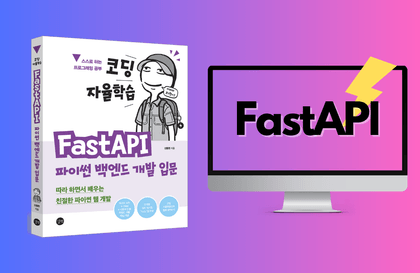
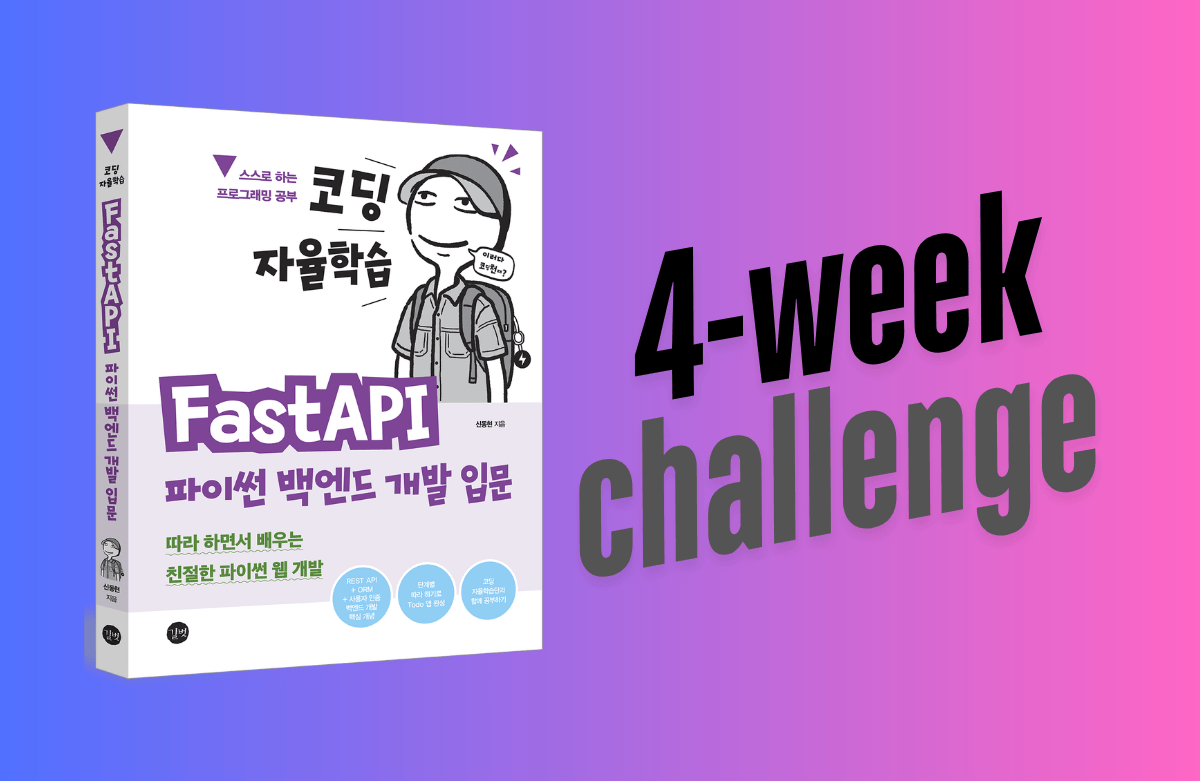
✔️ This challenge is based on the book <Coding Self-Study: Introduction to FastAPI Python Backend Development>
This is a 4-week reading challenge to finish the book together.
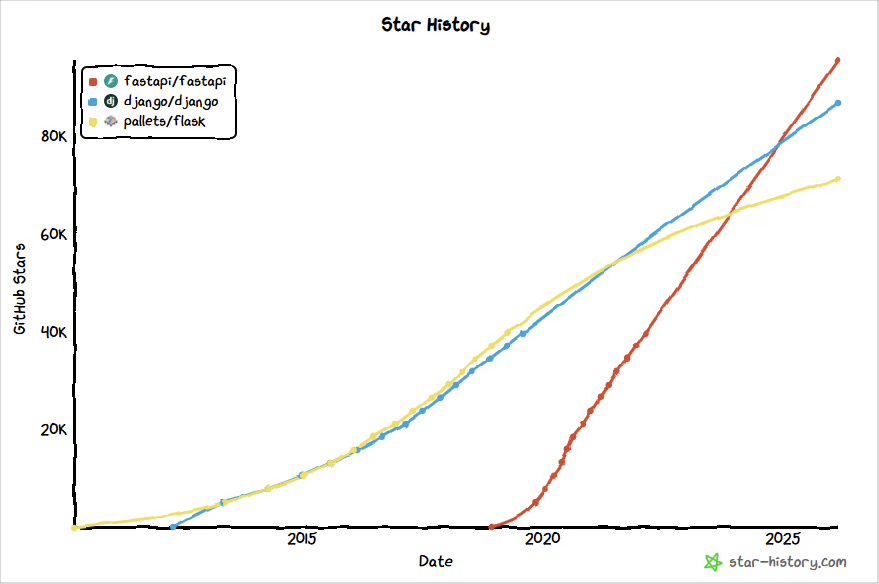
A popular framework sought after by developers
FastAPI is a Python web framework that has been gaining rapid attention in recent years.
Since its release in 2018, the number of stars has increased dramatically, showing a faster growth rate than Django or Flask, and
as of April 2026, the number of stars exceeded 96,000,
recording the highest number among all Python web frameworks.
The framework chosen by global companies
FastAPI has established itself as an essential tool for implementing AI services or data-driven backends thanks to its asynchronous processing, automatic API document generation, and concise code structure,
and it is being adopted as a backend technology by big tech companies such as
Netflix, Microsoft, and Uber.
Just follow along. You will naturally build a solid foundation.

Hello. I am Donghyun Shin, the author of <Coding Self-Study: Introduction to FastAPI Python Backend Development>. I have been learning and working with FastAPI since around 2021, when it first began to gain serious recognition within the domestic developer community. Since then, I have applied it to various projects and experienced its potential and efficiency firsthand in production environments. Its concise yet powerful structure remains the reason why FastAPI is my most preferred framework to this day.
This challenge is designed for those new to FastAPI, focusing on its fundamental concepts and core usage. Through the book, you will master FastAPI's syntax and complete a project; in the week 4 live lecture, you can learn about professional project structures, how to write test code, and how to boost productivity with Vibe Coding.
In the era of AI, the fundamentals of programming remain essential, and their importance is actually growing. To utilize AI effectively, you must know what to ask for and be able to verify and modify the results. Paradoxically, to excel at Vibe Coding, you must ultimately have a proper understanding of programming. I hope this challenge serves as a great starting point for those new to FastAPI. Furthermore, I hope it provides a small boost in developing the strength to understand and expand on your own, beyond simply using a framework.
Why this challenge is essential for you
Check 1. Provides core FastAPI development concepts and hands-on practice
We explain the features of FastAPI and provide step-by-step project implementation practice for beginners learning backend development for the first time or current developers looking to learn FastAPI from other tech stacks. You can experience the actual backend development process, from REST API design → ORM processing integrated with MySQL → to user authentication using Session and JWT methods.
Check 2. Completing the Todo Application
To help you understand how a web service works, we will build a Todo (task management) application and gradually expand its features. You will be able to understand the operating principles of a server, from creating, reading, updating, and deleting tasks to database integration, user management, and login.
Check 3. Author Real-time Live and Q&A
Sunday, June 28th at 8:00 PM, we will have a time to communicate directly through an online live session. You can hear about practical techniques used in the field, including questions you had while reading the book, as well as core asynchronous concepts, how to structure projects, how to write test codes, and how to increase productivity with vibe coding.
Check 4. Completion rewards to support your growth
For those who complete the 4-week journey, we will provide 20,000 points that can be used like cash on the Gilbut website. Along with the sense of accomplishment from finishing the book, take advantage of these practical benefits designed to support your continuous learning!
FastAPI basic concepts → CRUD implementation → ORM processing →
Sign-up → Login You can learn through hands-on practice in this order.
![[인프런] 코자 FastAPI (세로형)](https://cdn.inflearn.com/public/files/courses/342166/builder/01krx985nxe4phpd4kd067nxsk)
Chapter 1
Introduction to FastAPI
(Week 1)
Learn about the features of FastAPI and set up the practice environment for future learning (installing Python/PyCharm, creating your first project).
Chapter 2
Getting Started with FastAPI
(Week 1)
Before diving into full-scale backend development, we will examine the HTTP communication process and the related core FastAPI syntax.
Chapter 3
Implementing Basic CRUD
(2 weeks)
We will implement data creation, retrieval, update, and deletion functions by building a simple Todo (task management) application.
Chapter 4
Using Databases and ORM
(2 weeks)
Install MySQL, connect it to the Todo application, and improve the CRUD code using ORM.
Chapter 5
Implementing Sign-up
(3 weeks)
Add a sign-up feature to the Todo application.
Chapter 6
Implementing Login and Authentication
(4 weeks)
Add login and authentication features to the Todo application. Practice session-based and JWT-based methods for authenticating logged-in users.
Chapter 7
Advanced FastAPI Features
(Week 4)
We will explore the advanced features of FastAPI by adding Lifespan, Dependency Injection, background tasks, and file handling capabilities to the Todo application.
Beginners
learning FastAPI for the first time
Developers who want to expand from
other tech stacks into
Python web development
Practitioners who want to
build the foundational backend skills
needed for vibe coding
If you have learned Python syntax and are curious about how web services are built, FastAPI allows you to experience everything from the flow of requests and responses to actual service architecture all at once.
If you are familiar with Spring or Node.js but new to Python-based backends, you can quickly build practical skills by comparing the structure and development methods of FastAPI.
If you have been able to generate code with AI but found it difficult to understand the results and connect them to a service, you will be able to understand the process of designing APIs and processing data with FastAPI.
📖 Learning Materials (Separate purchase required)
<Coding Self-Study: Introduction to FastAPI Python Backend Development> (Gilbut, 2026)
Kyobo Book Centre: https://gilbut.co/c/26054550Jj
Aladin: https://gilbut.co/c/26056339jR
💻 Practice Environment
The program versions used in the book are as follows. For a smooth learning experience, please make sure to install the same versions as those in the book before proceeding with the exercises.
Python: 3.13
PyCharm: No specific version required
MySQL: 8.0
📥 Download Example Source
You will naturally practice the backend development workflow by building a Todo (task management) application.
You will acquire skills used in actual services, ranging from project setup, REST API design and implementation, DB integration and ORM processing, to user registration and user authentication using session•JWT methods.
In the main text, you will complete a Todo app, and then in the self-check section, you will implement a blog app, practicing a total of two projects.
Students and job seekers who want to implement an API server themselves using FastAPI and gain project experience
Frontend developers who want to understand server architecture and data processing methods
Backend developers who want to expand from other technology stacks into Python web development
Practitioners who want to build the foundational backend skills necessary for Vibe Coding
5월
31일
챌린지 시작일
2026년 5월 31일 오후 03:00
챌린지 종료일
2026년 6월 28일 오후 02:30
All
35 lectures ∙ (1hr 34min)
Course Materials:
Who is this course right for?
A beginner learning FastAPI for the first time
Developers who want to expand from other technology stacks into Python web development
Practitioners who want to build the foundational backend skills necessary for Vibe Coding
Need to know before starting?
Basic network and web knowledge
Python Basic Syntax
All
6 reviews
5.0
6 reviews

Reviews 5
∙
Average Rating 5.0
Reviews 8
∙
Average Rating 5.0

Reviews 5
∙
Average Rating 5.0
Reviews 3
∙
Average Rating 5.0
Edited
Reviews 22
∙
Average Rating 5.0
취소 및 환불 규정
챌린지는 지식공유자가 설정한 수업 최소 정원이 충족되지 않을 경우, 폐강 안내가 고지되며 결제 내역이 자동취소됩니다.
Check out other courses by the instructor!
$7.70
![Hands-on! Complete Database Mastery [Design Edition]Course Thumbnail](https://cdn.inflearn.com/public/files/courses/338322/cover/01k45bwfn9vtg3xqy9sn0ej3rj?w=420)